Which Inverter Is Best for a 200Ah Battery? Capacity, Backup & Buying Guide
20 November 2025
Which Inverter Is Best for 200Ah Battery?
Quick answer: A pure sine wave inverter is the best match for a 200Ah battery in most homes and offices, because it gives smooth power and protects TVs, refrigerators, and computers. If you want to add solar panels, choose a hybrid solar inverter instead. For shops and factories, choose an industrial inverter. A single 12V 200Ah battery suits inverters up to about 1 kVA, and larger inverters usually need 24V with two batteries.
Buy a Lento inverter from the official Lento website or on Amazon India, then use this guide to pick the right type and size.
Key Takeaways
- A 12V 200Ah battery stores about 2,400 watt-hours in theory.
- With a lead-acid (tubular) battery, you can safely use only about half of that, so real backup is shorter than the textbook figure.
- Match the inverter voltage (12V or 24V) to your battery bank.
- Choose pure sine wave for home, hybrid for solar, and industrial for heavy loads.
- A lithium battery gives more usable capacity from the same 200Ah rating.
Introduction
Choosing the right inverter for a 200Ah battery protects both your appliances and your battery life. The inverter converts stored DC power into AC power for your home, so a mismatch in voltage, capacity, or type leads to poor backup or early battery wear. This guide explains which inverter is best for 200Ah battery setups, how to size it, and how long you can expect the backup to last. If you are still comparing models, see our guide to the best inverter for home in India.
What Does a 200Ah Battery Actually Provide?
A 12V 200Ah battery stores about 12V × 200Ah = 2,400 watt-hours (Wh). That is the theoretical maximum, but you can’t use all of it:
- Lead-acid (tubular) batteries should usually be discharged only to about 50% to protect their life.
- Inverter efficiency also takes a share, since some power is lost in conversion.
- Lithium batteries allow a much deeper discharge, so more of the 200Ah is usable.
Key Factors Before You Choose
- Load capacity: add up the wattage of everything you want to run. The inverter should handle this load comfortably, with some spare capacity.
- Battery compatibility: match the inverter voltage (12V or 24V) to your battery bank.
- Inverter type: pure sine wave gives smooth, stable output, while modified sine wave is cheaper but less suitable for sensitive devices.
- Efficiency: look for conversion efficiency above 90%.
- Protection: choose built-in short-circuit, overload, low-battery, and thermal protection.
- Battery type: tubular lead-acid costs less upfront, while lithium lasts longer and needs no upkeep.
Which Inverter Is Best for 200Ah Battery? The Top 3 Types
1. Pure Sine Wave Inverters: Best for Homes and Offices
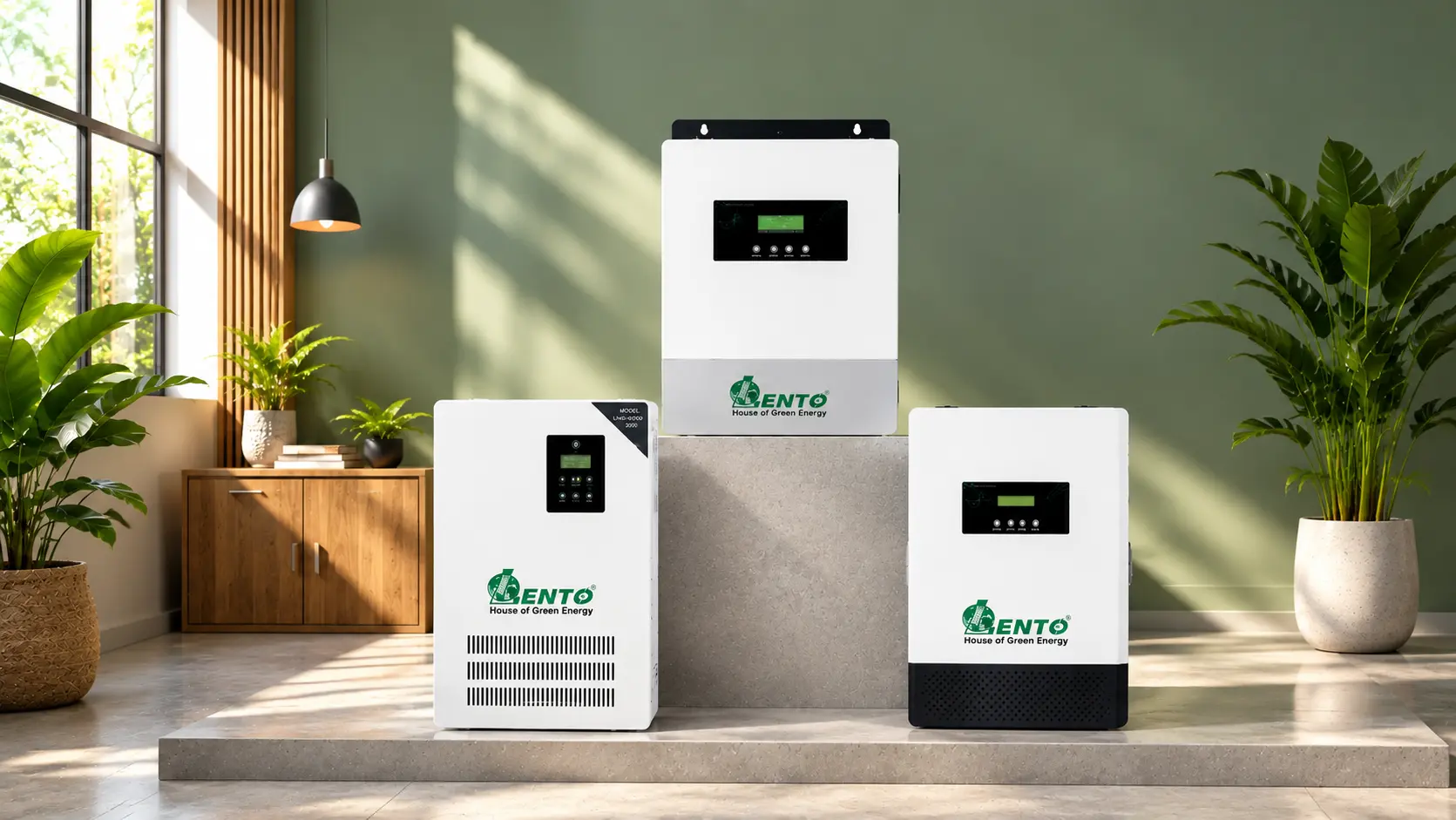
A pure sine wave inverter is the most reliable choice for a 200Ah battery. It delivers stable, low-noise power that suits TVs, refrigerators, laptops, and medical equipment.
Advantages:
- Smooth, stable output for sensitive appliances
- Suits both homes and offices
- Helps protect battery life and improves efficiency
Best for: everyday home and office backup.
2. Hybrid Solar Inverters: Best for Going Green
A hybrid solar inverter draws from solar panels, the grid, and your battery. It can cut your electricity bill and keep the lights on during outages, which suits areas with frequent power cuts.
- An MPPT solar inverter gets more power from your panels and suits larger systems.
- A PWM household solar inverter is simpler and more budget-friendly for smaller setups.
- An off-grid MPPT solar inverter works with batteries where the grid is weak or missing.
Best for: homes that want to pair a 200Ah battery with solar panels. Read about the best solar inverter with lithium battery.
3. Heavy-Duty Industrial Inverters: Best for Business
Industrial inverters power compressors, motors, and other heavy equipment for long periods. Choose a single-phase industrial inverter for shops and workshops, or a three-phase industrial inverter for machinery and large facilities.
Best for: shops, workshops, and factories that need reliable backup.
How Long Will a 200Ah Battery Last with an Inverter?
Use this table as a guide for a 12V 200Ah lead-acid battery. The “realistic” column assumes about 50% usable capacity and about 85% inverter efficiency.
| Load | Theoretical (100% use) | Realistic (lead-acid) |
|---|---|---|
| 200W (lights, fans, router) | about 12 hours | about 5 hours |
| 400W (light household use) | about 6 hours | about 2.5 hours |
| 800W (fans, TV, more appliances) | about 3 hours | about 1.3 hours |
| 1000W | about 2.4 hours | about 1 hour |
These are estimates. Actual backup depends on battery age, temperature, and how the load changes. A lithium battery gives noticeably more usable backup from the same rating. Compare options in our guide to the best inverter with battery for home.
What Inverter Size Should You Pair with a 200Ah Battery?
Add up your load in watts, then choose an inverter slightly larger than that total.
- Light loads (up to about 600W): a 800 VA to 1 kVA inverter.
- Medium loads: a 1.1 kVA inverter, which is about the practical limit for a single 12V 200Ah battery.
- Heavier loads (1.5 kVA and above): a 24V system with two batteries, which keeps current lower and is easier on the battery.
Always check the inverter’s rated battery voltage before you buy.
Upgrade Option: Lithium Instead of Lead-Acid
A lithium battery can use more of its rated capacity, charges faster, lasts longer, and needs no water topping. It costs more upfront.
- Explore the best lithium inverter for home for a ready-to-use setup.
- Choose an inverter with inbuilt lithium battery for home, or see Lento’s sine wave inverter with inbuilt lithium battery.
- Compare an inverter with lithium ion battery for home on features and backup time.
- Read the basics of a lithium inverter for home and see how a lithium inverter with battery works as a package.
- Browse the best inverter with Li-ion battery in India.
B2B and Export: Powering the World with Lento India
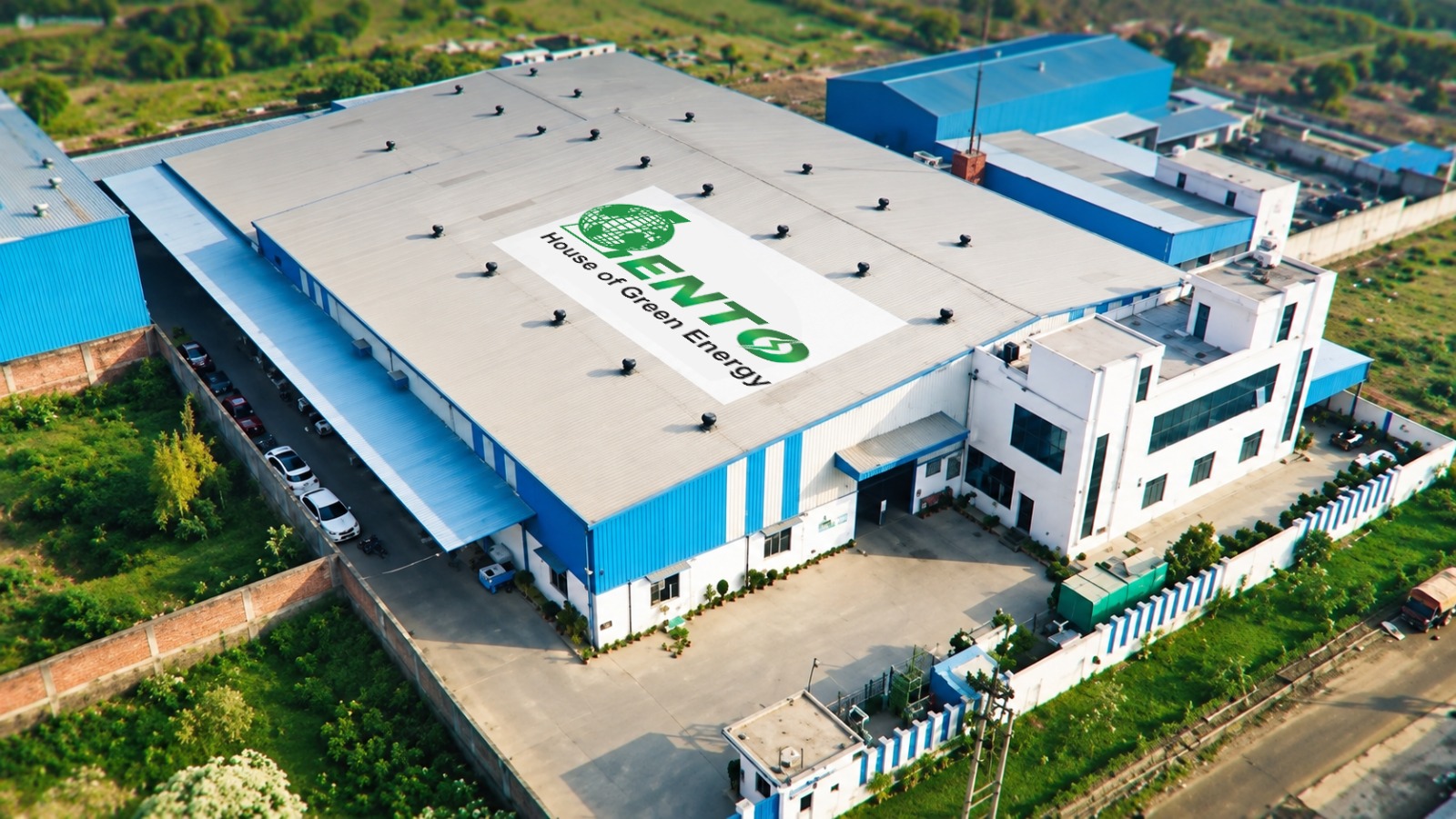
Lento India is a leading inverter manufacturer and a global exporter of power backup solutions, supplying 24+ countries including Mexico, Chile, Peru, Ecuador, the Dominican Republic, Afghanistan, Nigeria, Iraq, Uganda, Yemen, Syria, Iran, Oman, Morocco, Egypt, and Kuwait.
Looking to buy inverters in bulk or work on a commercial project? Submit an enquiry on the Lento website, and the export team will contact you within 24 hours about your bulk inverter and battery needs. Lento offers solutions to suit different markets, from hybrid solar setups to off-grid systems and tubular battery-based systems.
Expert Tips to Get the Most from Your Setup
- Choose a pure sine wave inverter for sensitive appliances.
- Use good-quality cables and connectors to avoid energy loss.
- Keep the inverter in a dry, well-ventilated place.
- Check battery water levels and terminal connections regularly if you use tubular batteries.
- Don’t exceed the inverter’s rated load, and avoid fully draining a lead-acid battery.
- Prefer models with solar compatibility and a clear digital display.
- If your inverter acts up, our guide to how to reset an inverter explains the safe steps.
Final Thoughts
So, which inverter is best for 200Ah battery setups? For most homes and offices, a pure sine wave inverter. For solar, a hybrid or MPPT inverter. For heavy business loads, an industrial inverter. Match the voltage, size the inverter to your load, and expect realistic backup times rather than the textbook figure. Lento’s range covers pure sine wave, hybrid solar, lithium, and industrial inverters, so you can stay with one brand as your needs grow. Ready to buy? Visit the official Lento website or check Lento on Amazon India.
Frequently Asked Questions
1. Which inverter is best for a 200Ah battery in India?
A pure sine wave inverter rated around 900VA–1500VA may suit a 200Ah battery, depending on your appliance load. Lento offers home inverter solutions; check battery compatibility and backup requirements before choosing.
2. Which inverter is best for a 200Ah battery for home?
For most homes, choose a pure sine wave inverter with sufficient capacity for your appliances and starting loads. Lento offers inverter options for different home backup needs.
3. What is a suitable inverter for a 200Ah battery?
A 12V inverter compatible with a 12V, 200Ah battery is a common choice. Select the VA rating according to the total load, and verify the battery type and charging specifications.
4. What inverter capacity is suitable for a 200Ah battery?
A 900VA–1500VA inverter can be suitable for many household loads, but the correct capacity depends on the appliances you plan to run. Battery capacity alone does not determine inverter size.
5. What is the price of an inverter for a 200Ah battery?
The price varies by inverter capacity, brand, waveform, solar compatibility and features. Compare the inverter and battery costs together to find a setup that meets your budget.
6. What inverter capacity is suitable for a 250Ah battery?
A 900VA–1500VA inverter may suit many home applications, while heavier loads may require a higher rating. Check the inverter’s battery-voltage compatibility and recommended charging current.
7. How long does a 200Ah inverter battery provide backup?
Backup time depends on battery voltage, battery type, usable capacity and connected load. A fully charged 12V, 200Ah battery stores about 2,400Wh nominally, but actual usable energy is lower because of inverter losses and battery limitations.
Read More
- Best Inverter for Home in India
- Best Inverter with Lithium Ion Battery for Home in India
- Best Lithium Inverter for Home
- Inverter with Inbuilt Lithium Battery for Home
- Best Inverter with Battery for Home
- Best Solar Inverter with Lithium Battery
- Lithium Inverter for Home
- Lithium Inverter with Battery
- Best Inverter with Li-Ion Battery in India