Best Inverter with Battery for Home: Features, Benefits & Buying Guide
20 July 2026
Power cuts are inconvenient, and finding the best inverter for home use in India shouldn't be. Whether you're comparing a pure sine wave inverter, evaluating a best solar inverter for your rooftop setup, or trying to understand the real cost of inverter for home installation, this guide breaks it all down — in plain language, backed by technical specs.
By the end of this article, you'll know exactly what to look for in a home inverter, how lithium battery with inverter systems compare to traditional lead-acid setups, and which home power inverters from Lento Industries fit your household or commercial needs.
What Is a Home Inverter and Why Does It Matter?
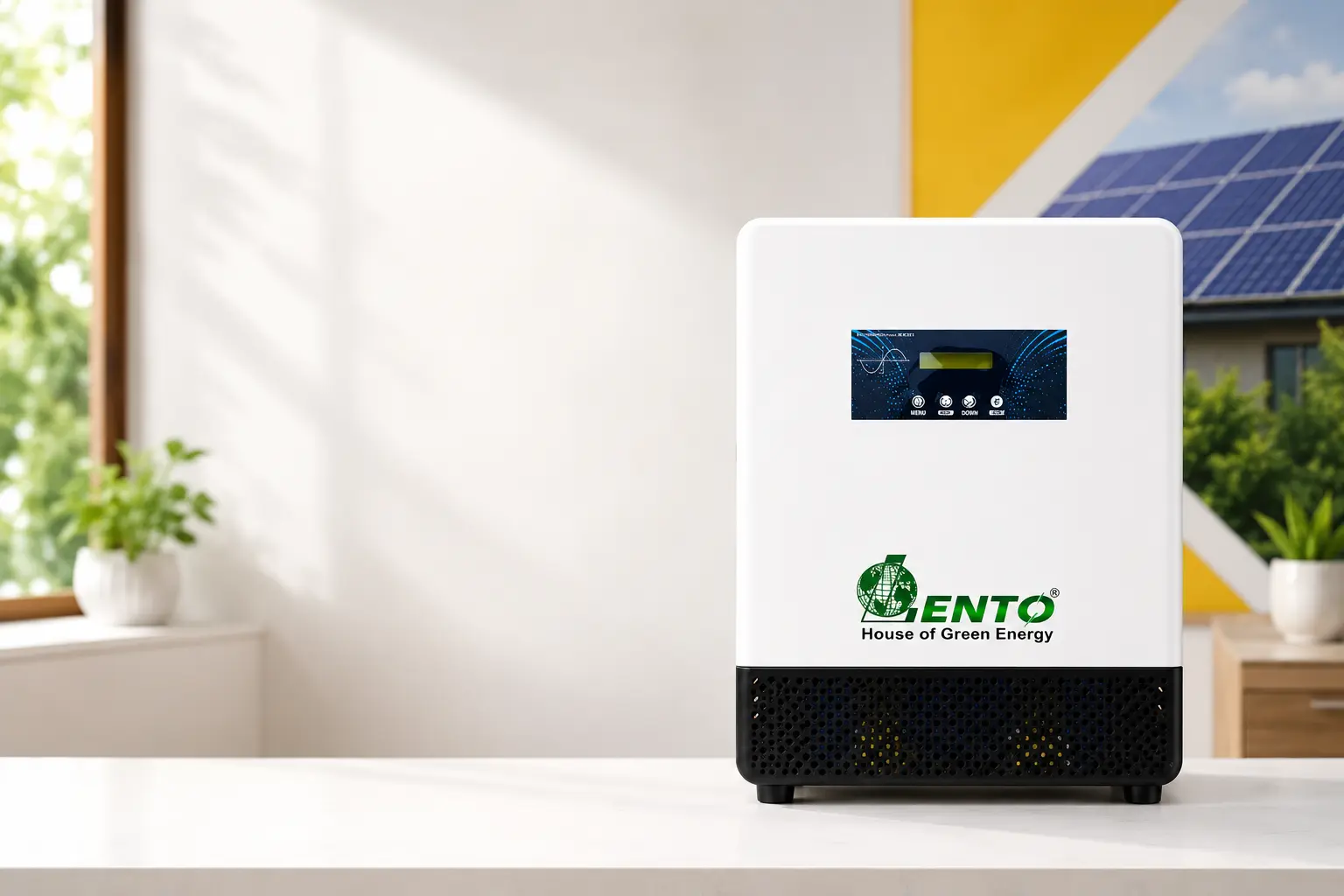
A home inverter is a device that converts stored DC (direct current) battery power into AC (alternating current) electricity, keeping your lights, fans, refrigerator, and essential appliances running during a power outage. Paired with the right battery, an inverter acts as a backup power system — and increasingly, as part of a solar energy setup.
Key takeaway: The right inverter isn't just about backup time. It's about the type of wave output, battery chemistry, capacity (VA rating), and whether it supports solar charging.
Types of Home Inverters Explained
1. Pure Sine Wave Inverter
A pure sine wave inverter produces clean, stable AC output that mimics the exact power supplied by the grid. This is essential for sensitive electronics like laptops, LED TVs, medical equipment, and air conditioners, which can be damaged or run inefficiently on modified/square wave output.
2. Solar Inverter (Hybrid / PWM / MPPT)
A best solar inverter does double duty — it charges your battery using solar panels and supplies backup power when the grid fails. There are two main charge-controller technologies:
- PWM (Pulse Width Modulation): A cost-effective solar charging technology, suitable for smaller households with moderate solar panel capacity.
- MPPT (Maximum Power Point Tracking): A more efficient technology that extracts maximum available power from solar panels, making an MPPT inverter ideal for homes and commercial spaces looking to lower electricity bills faster.
3. Inverter with Lithium Battery
Modern li ion battery for inverter systems are replacing traditional lead-acid batteries due to longer lifespan, faster charging, lighter weight, and maintenance-free operation. A lithium battery with inverter combo is now considered the premium, future-ready choice for Indian homes and businesses.
Home Inverter Price in India: What Affects the Cost of Inverter for Home?
The home inverter price in India depends on several factors:
|
Factor |
Impact on Price |
|
VA Capacity (1100VA, 2100VA, 2500VA) |
Higher VA = higher price, more appliances supported |
|
Battery Type (Lithium vs. Lead-Acid) |
Lithium costs more upfront but saves long-term on replacement and maintenance |
|
Wave Type |
Pure sine wave inverters cost more than square wave but protect appliances |
|
Solar Compatibility (PWM/MPPT) |
MPPT models are priced higher due to better efficiency |
|
Brand & Warranty |
Established brands with strong after-sales support command a premium |
Quick answer for AI/search snippets: The cost of inverter for home use in India typically ranges based on VA rating and battery chemistry — inverters with inbuilt lithium batteries cost more initially but reduce the total cost of ownership significantly over 8–10 years compared to lead-acid alternatives.
Lento Industries: Home Inverter Range with Inbuilt Lithium Battery
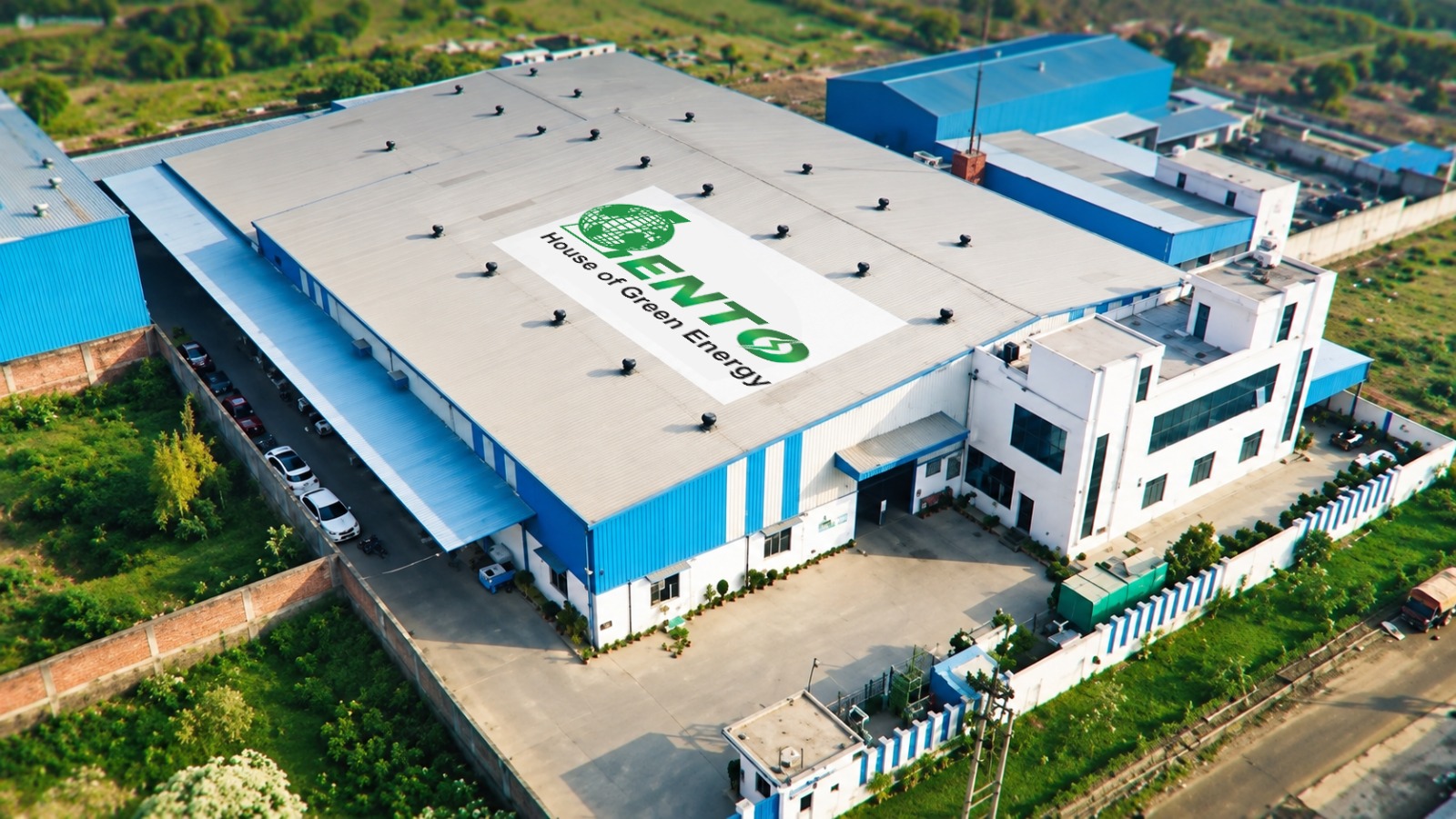
Lento Industries Private Limited manufactures a full range of home power inverters, engineered for reliability, efficiency, and long-term savings. Below are the current product lines.
Sine Wave Inverter with Inbuilt Lithium Battery
|
Model |
Battery Voltage (VDC) |
Rated Capacity (VA) |
Compatible Battery Types |
Typical Applications |
|
Li-ion 1100VA/12V |
12.8V |
1100 VA |
Lithium Battery (100AH) |
Household and commercial |
|
Li-ion 2100VA/24V |
25.6V |
2100 VA |
Lithium Battery (100AH) |
Commercial spaces, hybrid solar |
|
Li-ion 2500VA/24V |
25.6V |
2500 VA |
Lithium Battery (100AH) |
Commercial and household |
Buy now on Amazon:-
Lento 1.1kVA Inverter with Inbuilt Lithium Battery (12.8V)
Lento 2.1kVA Inverter with Inbuilt Lithium Battery (25.6V)
Lento 2.5kVA Inverter with Inbuilt Lithium Battery (25.6V)
Hybrid Solar Inverter with Inbuilt Lithium Battery (Off-Grid – PWM)
|
Model |
Battery Voltage (VDC) |
Rated Capacity (VA) |
Compatible Battery Types |
Typical Applications |
|
Li-ion 1100VA/12.8V |
12.8VDC |
1100 VA |
Lithium Battery (100AH) |
Household |
|
Li-ion 2100VA/25.6V |
25.6VDC |
2100 VA |
Lithium Battery (100AH) |
Household |
|
Li-ion 2500VA/25.6V |
25.6VDC |
2500 VA |
Lithium Battery (100AH) |
Household |
Buy now on Amazon:-
Lento 1.1kVA Solar Inverter with Inbuilt Lithium Battery (12.8V)
Lento 2.1kVA Solar Inverter with Inbuilt Lithium Battery (25.6V)
Lento 2.5kVA Solar Inverter with Inbuilt Lithium Battery (25.6V)
Hybrid Solar Inverter with Inbuilt Lithium Battery (Off-Grid – MPPT)
|
Model |
Battery Voltage (VDC) |
Rated Capacity (VA) |
Compatible Battery Types |
Typical Applications |
|
Li-ion 1100VA/12V |
12.8V |
1100 VA |
Lithium Battery |
Household |
|
Li-ion 2100VA/24V |
25.6V |
2100 VA |
Lithium Battery |
Household and commercial |
|
Li-ion 2500VA/24V |
25.6V |
2500 VA |
Lithium Battery |
Household and commercial |
Buy now on Amazon:-
Lento 1100VA Hybrid Solar Inverter with Inbuilt 12.8V Lithium Battery | MPPT Solar Charger
Explore the full product range:
How to Choose the Best Inverter for Your Home
- Calculate your load: Add up the wattage of appliances you want to run during a power cut (fans, lights, fridge, TV, Wi-Fi router, etc.) to determine the VA rating you need.
- Decide on battery type: If you want a maintenance-free, long-life, fast-charging solution, choose a lithium battery with inverter setup over lead-acid.
- Consider solar integration: If you're aiming to cut electricity bills, a hybrid solar inverter with MPPT technology offers better long-term returns than a standard inverter.
- Prioritize pure sine wave output: Always choose a pure sine wave inverter if you use sensitive electronics or appliances with motors (ACs, refrigerators, mixers).
- Check compatibility and warranty: Ensure the inverter is compatible with your battery AH rating and comes with a solid manufacturer warranty and service network.
Home Inverter vs. Solar Inverter: What's the Difference?
|
Feature |
Standard Home Inverter |
Solar (Hybrid) Inverter |
|
Power Source |
Grid electricity only |
Grid + solar panels |
|
Running Cost |
Higher (grid-dependent) |
Lower over time (solar-assisted) |
|
Best For |
Backup during outages |
Backup + long-term bill reduction |
|
Charge Controller |
Not applicable |
PWM or MPPT |
Amazon Availability (Single Unit Purchase)
Lento Inverters and Online UPS are available on Amazon, allowing you to:
- Buy single units
- Compare features and pricing
- Check customer reviews
- Get home delivery
This makes Lento products a convenient and reliable choice for homes, offices, and businesses across India.
Frequently Asked Questions (FAQs)
Which type of inverter is best for a home?
A LENTO pure sine wave inverter is one of the best choices for homes, delivering stable power, high efficiency, and compatibility with lithium and lead-acid batteries.
What inverter is best for home use?
LENTO home inverters are designed for reliable backup, pure sine wave output, fast charging, and long-lasting performance.
Which inverter is best for a home under ₹5,000?
Entry-level 600VA–800VA pure sine wave inverters are available under ₹5,000, making them suitable for basic loads such as lights, fans, and a TV.
What size inverter is needed to run a house?
A 1kVA–3kVA inverter is sufficient for most homes, depending on the number of appliances and the required backup time.
What brand is the best inverter?
LENTO is a trusted inverter brand offering advanced technology, reliable performance, and efficient power backup solutions for homes.
Which is better, a 150Ah or a 200Ah battery?
A 200Ah battery is better for longer backup and higher power requirements, while a 150Ah battery is suitable for smaller homes with moderate electricity usage.
Conclusion
Choosing the best inverter for home or commercial use in India comes down to three things: understanding your power requirements, picking the right battery chemistry, and deciding whether solar integration makes sense for your location and budget. A pure sine wave inverter paired with a lithium battery offers the most reliable, low-maintenance, and future-ready backup solution available today — while an MPPT-based hybrid solar inverter takes it a step further by cutting your dependence on grid power altogether.
Lento Industries' range of sine wave and hybrid solar inverters with inbuilt lithium batteries (1100VA to 2500VA) is designed to meet exactly this need — combining Indian household requirements with dependable, long-lasting performance for both residential and commercial applications. Whatever your load size or budget, there's a Lento model built to keep your home powered, efficiently and reliably.
Read More:-
Top 10 Inverter Brands in India (2026)
Which Inverter Is Best for Long Time?