Choosing the Best Inverter for Solar Panels in Yemen 2026
22 December 2025
In Yemen, solar energy is becoming increasingly popular as households and businesses seek reliable and cost-effective power solutions. As someone who has worked closely with solar installers, distributors, and end users, I can confidently say that selecting the right inverter is critical to the performance and efficiency of a solar system. In this blog, I will provide a detailed, practical guide to which inverter is best for solar panels in Yemen 2026, helping both home users and business owners make informed decisions.
We’ll cover types of solar panels, inverter options, performance factors, and trusted brands to ensure your solar system delivers the best results.
Understanding the Types of Solar Panels in Yemen
Before choosing an inverter, it’s essential to know the type of solar panels in use. In Yemen, the most common solar panels include:
-
Monocrystalline Solar Panels: High efficiency, compact, and ideal for limited roof space.
-
Polycrystalline Solar Panels: Slightly lower efficiency but more affordable, widely used in residential and small business setups.
-
Thin-Film Solar Panels: Flexible and lightweight, mainly used for specialized installations but less common in Yemen due to lower efficiency.
Each type has unique voltage and current characteristics, which directly affect inverter selection.
Why Inverter Selection Matters for Solar Systems
The inverter is the heart of a solar system. It converts DC power from solar panels into AC power suitable for household or business use. Choosing the wrong inverter can lead to poor efficiency, frequent shutdowns, or even equipment damage.
A suitable inverter ensures:
-
Stable and efficient energy conversion
-
Protection for sensitive appliances
-
Long-term system reliability
-
Optimal battery and solar panel performance
Types of Inverters Suitable for Solar Panels
In Yemen, the choice of inverter depends on system size, solar panel type, and intended usage. The main types include:
1. Pure Sine Wave Inverters
These inverters produce clean electricity that mimics grid power. They are ideal for sensitive appliances like computers, refrigerators, and medical equipment.
Advantages:
-
Smooth operation for all appliances
-
Compatible with both AC and DC loads
-
Reduces the risk of overheating or damage
2. Hybrid Solar Inverters
Hybrid inverters combine solar, battery, and grid power management in one unit. They automatically switch between sources, providing seamless backup.
Advantages:
-
Optimized battery charging and usage
-
Works efficiently during power cuts
-
Supports grid-tied and off-grid applications
3. Grid-Tie Inverters
Grid-tie inverters feed excess solar energy back into the grid. These are ideal for urban areas where feeding electricity back can reduce electricity bills.
Advantages:
-
Allows energy export to the grid
-
Reduces dependency on batteries
-
High efficiency with modern solar systems
Factors to Consider When Choosing the Best Inverter
Based on years of experience, I advise considering the following factors:
-
Capacity: Match the inverter rating with your solar panel output and load requirements. For example, 3kVA or 5kVA inverters suit medium homes and small businesses.
-
Voltage Compatibility: Ensure the inverter matches your battery bank voltage, such as 24V, 48V, or 96V systems.
-
Efficiency: Look for high conversion efficiency to get the most out of your solar panels.
-
Battery Support: If using a battery backup, check compatibility with SMF, tubular, or lithium batteries.
-
Warranty and Support: A reputable manufacturer with local support ensures long-term peace of mind.
Why Lento Is a Trusted Choice in Yemen
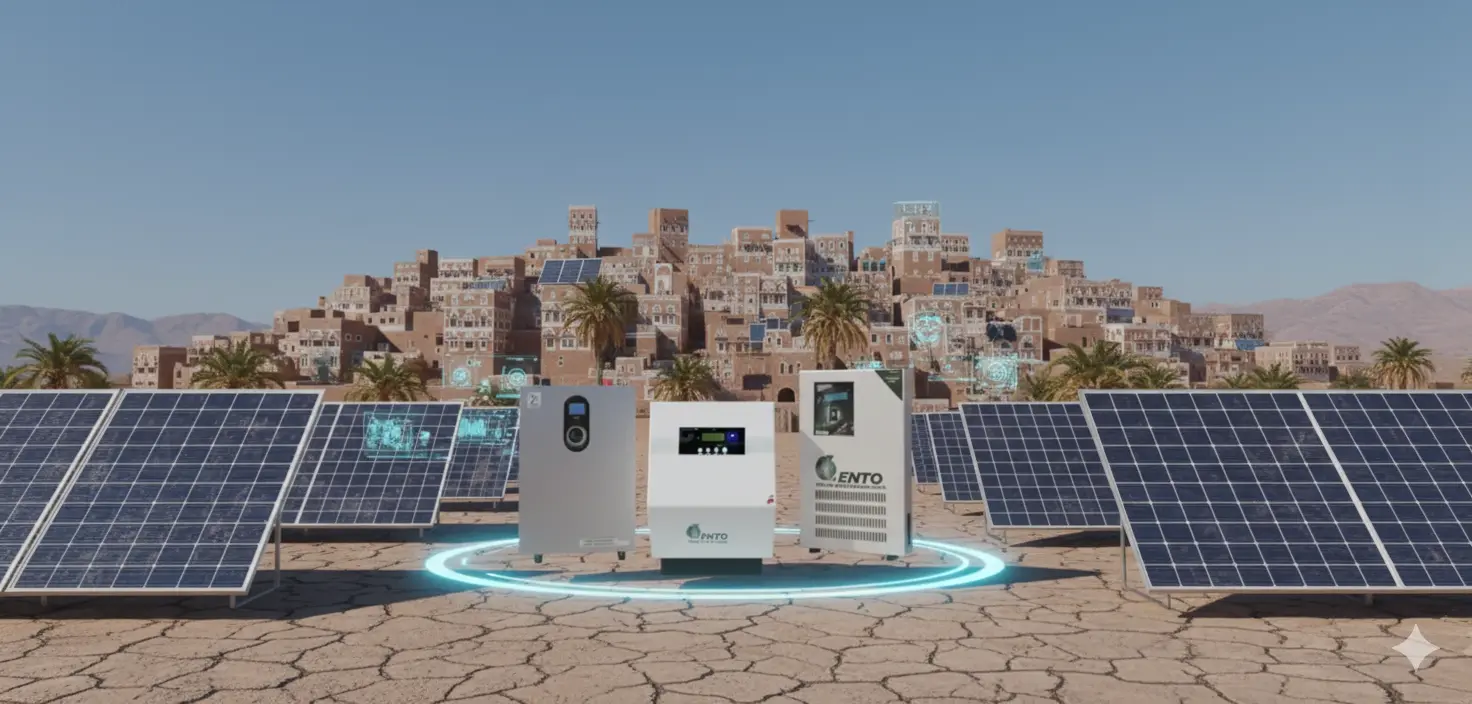
Among the many brands available, Lento stands out as a reliable choice for solar inverters. As a manufacturer from India, Lento focuses on designing inverters that perform consistently under real-world conditions.
Key benefits of Lento solar inverters:
-
Pure sine wave output for safe operation of all appliances
-
Hybrid options for solar plus battery systems
-
Compatibility with monocrystalline, polycrystalline, and thin-film panels
-
Advanced safety features and long warranty support
For both homes and businesses in Yemen, Lento inverters provide dependable performance and efficiency.
Other Notable Inverter Brands
In addition to Lento, several other trusted inverter brands are available in Yemen:
-
Microtek
-
Sukam
-
Livguard
-
Schneider
-
Eastman
While these brands offer competitive performance, availability, after-sales service, and warranty terms should influence your final choice.
Solar System Setup Recommendations
To optimize your solar setup in 2026:
-
Use high-efficiency panels like monocrystalline for limited spaces.
-
Pair your panels with a pure sine wave or hybrid inverter for maximum efficiency.
-
Ensure battery storage matches your inverter voltage and backup needs.
-
Schedule professional installation for safety and optimal system performance.
Proper design ensures longer system life and consistent energy output.
Benefits of Using the Best Inverter for Solar Panels
From my experience, a high-quality inverter provides:
-
Reliable power for homes and businesses
-
Smooth operation of all connected appliances
-
Reduced downtime during grid outages
-
Maximum energy harvesting from solar panels
-
Efficient battery management for longer backup duration
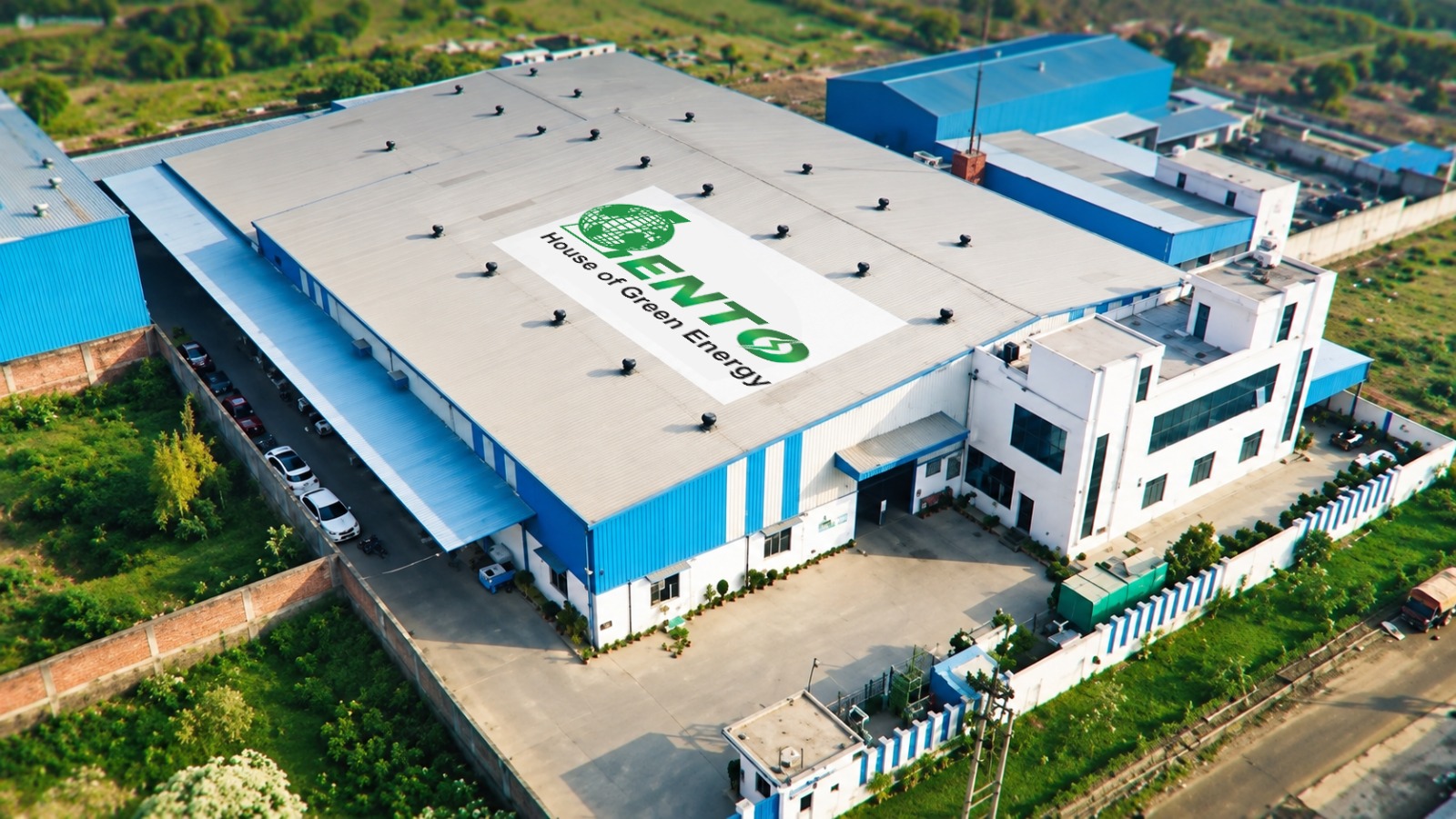
Lento India – Global B2B Solar Exporter
Lento India proudly exports solar and power solutions to 24 countries including Mexico, Chile, Peru, Ecuador, Dominican Republic, Afghanistan, Nigeria, Iraq, Uganda, Yemen, Syria, Iran, Oman, Morocco, Egypt, and Kuwait.
We supply solar panels, tubular batteries, SMF batteries, inverters, and Online UPS systems to global distributors, OEMs, and large-scale installers.
Lento India – Powering industries, homes, and communities across continents with trust and technology.
Frequently Asked Questions
Q 1. Which inverter is best for solar panels in Yemen?
Pure sine wave and hybrid inverters are generally the best options for homes and businesses.
Q 2. Can all types of solar panels work with the same inverter?
Not always; inverter selection should match the panel type and system voltage.
Q 3. Is Lento a reliable brand for solar inverters?
Yes, Lento is trusted for consistent performance, hybrid compatibility, and strong after-sales support.
Q 4. Do I need batteries with a solar inverter?
It depends. Hybrid or off-grid systems require batteries, while grid-tie inverters may not.
Q 5. What size inverter do I need for my home?
It depends on your load. A 3kVA–5kVA inverter suits medium-sized homes, while larger businesses may require 5kVA–10kVA.
Q 6. Can hybrid inverters manage solar, battery, and grid automatically?
Yes, hybrid inverters automatically switch between power sources for efficient usage.
Q 7. Are solar inverters expensive to maintain?
With proper installation and usage, maintenance costs are minimal.
Conclusion
Selecting the right inverter for solar panels in Yemen 2026 is crucial for achieving reliable and efficient power. The choice depends on panel type, load, battery setup, and long-term system goals.
Based on field experience, Lento inverters provide excellent performance, pure sine wave output, and hybrid options that meet both residential and business needs in Yemen.
👉 Become our distributor in your state.