Powering Egypt’s Future with Hybrid Off-Grid Energy Solutions
19 December 2025
Egypt is standing at a critical energy crossroads. As electricity demand rises across homes, farms, factories, and commercial facilities, many customers and business owners are searching for reliable alternatives to unstable grid supply and rising energy costs. From my experience in the solar industry, one solution clearly stands out today: hybrid off-grid power systems in Egypt.
In this blog, I will explain how hybrid off-grid systems work, why they are becoming essential in Egypt, and how both end customers and business owners can benefit from them. I will keep things practical, honest, and easy to understand, based on real market needs rather than theory.
Understanding Hybrid Off-Grid Power Systems in Egypt
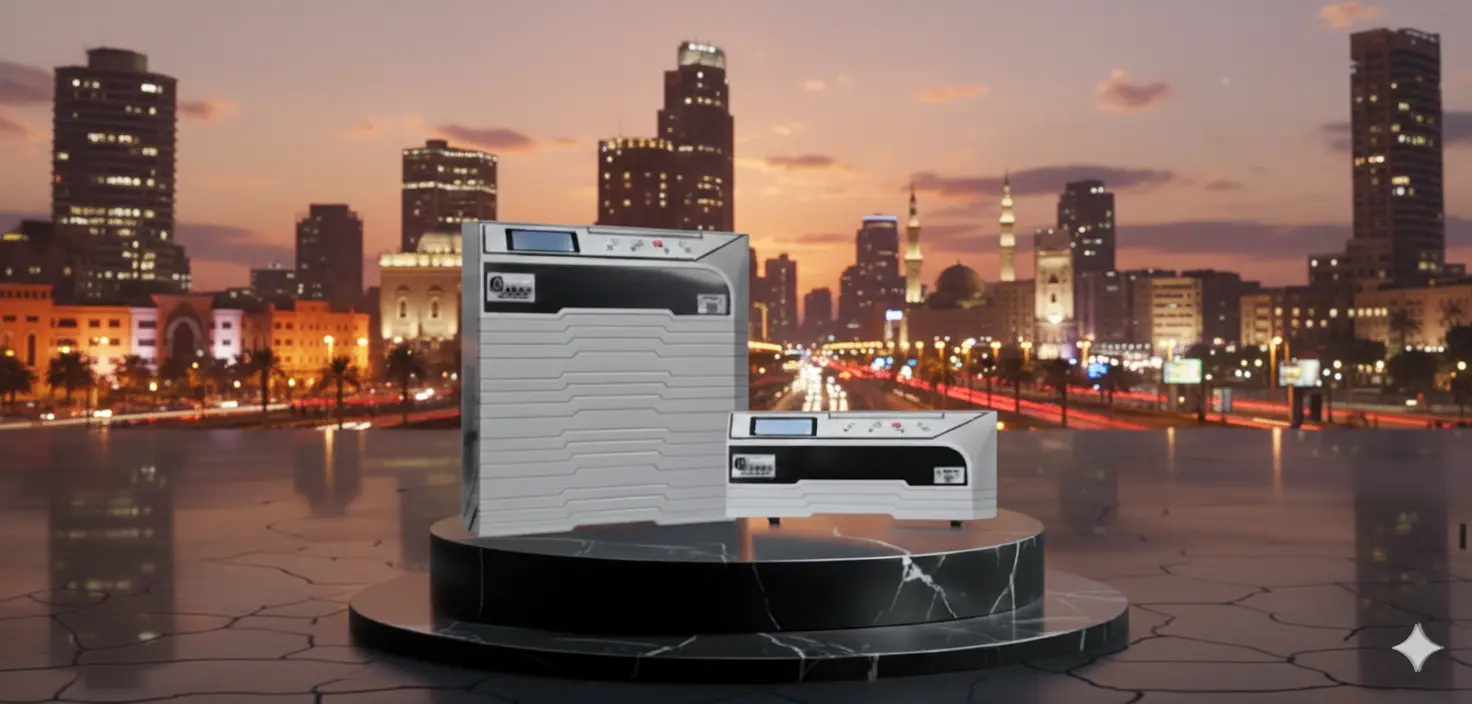
A hybrid off-grid power system is designed to operate independently from the national electricity grid while intelligently combining multiple energy sources. In Egypt, this usually means solar energy supported by battery storage and a backup power source such as a generator.
What makes these systems unique is flexibility. Unlike traditional off-grid setups that rely on a single source, hybrid systems automatically balance energy generation and storage. This ensures power availability day and night, during peak usage, and even during cloudy conditions.
In many parts of Egypt, especially desert zones, agricultural areas, resorts, and new industrial zones, grid access is limited or unreliable. Hybrid off-grid power systems offer a practical, scalable solution without waiting for infrastructure expansion.
Why Egypt Is Ideal for Hybrid Off-Grid Solar Solutions
Egypt has one of the highest solar irradiation levels in the world. This natural advantage makes solar-based hybrid systems extremely efficient and cost-effective over the long term.
From my perspective, several factors are driving the adoption of hybrid off-grid power systems in Egypt:
-
Rapid urban and industrial expansion into remote regions
-
Increasing electricity tariffs and fuel costs
-
Government support for renewable energy adoption
-
Demand for uninterrupted power in commercial and agricultural sectors
When designed correctly, hybrid systems reduce dependency on fossil fuels while delivering consistent power performance.
How Hybrid Off-Grid Power Systems Work
Solar Energy as the Primary Source
Solar panels form the foundation of most hybrid off-grid systems in Egypt. During daylight hours, solar modules generate electricity that directly powers loads while also charging batteries.
Given Egypt’s strong sunlight, solar generation often covers a significant portion of daily energy needs, reducing operational costs substantially.
Battery Storage for Energy Security
Batteries play a crucial role in storing excess solar energy for nighttime use or periods of low sunlight. High-quality battery banks ensure stable voltage, reliable backup, and longer system life.
For businesses, this means uninterrupted operations. For households, it means comfort and safety without grid dependency.
Backup Power Integration
Hybrid systems are designed to automatically switch to a backup source when solar and battery capacity are insufficient. This layered approach guarantees continuous power supply without manual intervention.
This is especially important for factories, cold storage units, hotels, and farms where power interruptions can lead to significant losses.
Key Benefits of Hybrid Off-Grid Power Systems in Egypt
Energy Independence
One of the biggest advantages is freedom from grid failures and fuel price fluctuations. Users gain full control over their energy production and consumption.
Cost Efficiency Over Time
While initial investment exists, hybrid off-grid systems significantly reduce monthly electricity expenses. Over time, the return on investment becomes clear, particularly for commercial users with high energy demand.
Scalable and Customizable Design
Hybrid systems are not one-size-fits-all. They can be customized based on load requirements and expanded as energy needs grow. This flexibility makes them ideal for both small homes and large industrial operations.
Environmentally Responsible Energy
Reducing carbon emissions is becoming a priority for many businesses. Hybrid off-grid power systems support sustainability goals while maintaining operational reliability.
Applications of Hybrid Off-Grid Power Systems in Egypt
Residential and Villas
In newly developed residential areas and luxury villas, hybrid systems ensure uninterrupted power while reducing dependence on unstable grid connections.
Agriculture and Irrigation
Farms and irrigation projects in remote regions benefit immensely from hybrid off-grid solutions. Reliable power ensures water availability and protects crop productivity.
Commercial and Industrial Facilities
Factories, warehouses, hotels, and shopping centers require consistent power for daily operations. Hybrid systems minimize downtime and protect sensitive equipment.
Tourism and Remote Projects
Eco-resorts, desert lodges, and construction sites often operate far from grid access. Hybrid off-grid power systems provide energy reliability without heavy infrastructure costs.
Choosing the Right Hybrid Off-Grid System
Selecting the correct system is not just about price. It involves understanding energy consumption patterns, load priorities, and future expansion plans.
From my experience, successful projects always start with a professional assessment. Proper system sizing, quality components, and expert installation determine long-term performance and reliability.
This is where working with a trusted brand matters.
Why Lento Is a Trusted Name in Hybrid Off-Grid Solutions
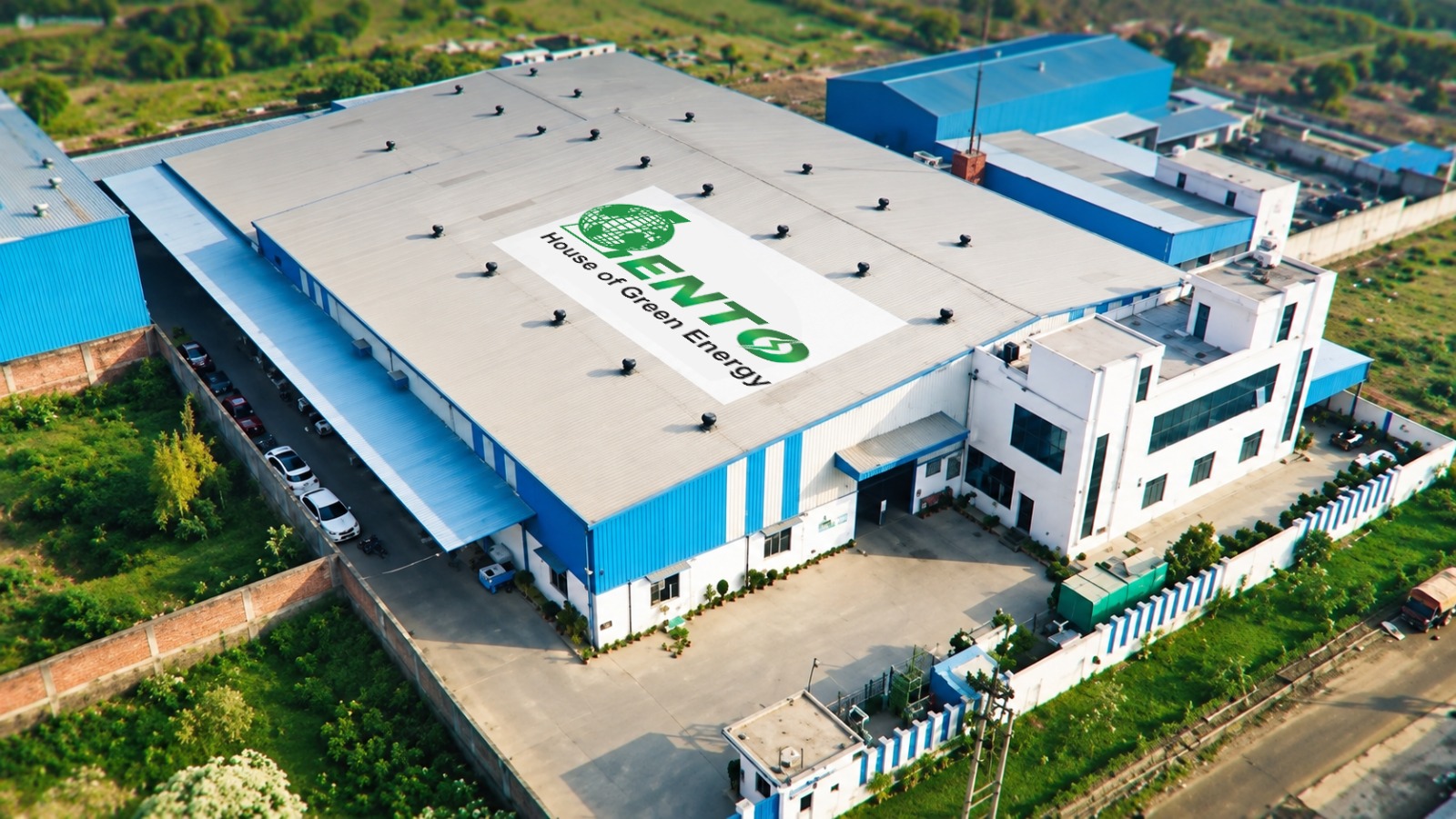
Lento has built a strong reputation by focusing on performance, durability, and real-world usability. Our hybrid solutions are designed specifically for challenging environments like those found across Egypt.
What sets Lento apart is our commitment to quality engineering, reliable energy management, and long-term customer satisfaction. We understand the demands of both residential users and business owners, and we design systems that deliver consistent results.
By offering scalable hybrid off-grid power systems, Lento supports energy independence for a wide range of applications across Egypt.
Future Outlook for Hybrid Off-Grid Power Systems in Egypt
The future of energy in Egypt is clearly moving toward decentralized and renewable solutions. Hybrid off-grid systems will continue to grow in popularity as technology improves and energy awareness increases.
Businesses that invest early benefit from cost stability and energy security. Homeowners enjoy peace of mind and reduced monthly expenses. For distributors and partners, the market presents a strong growth opportunity.
Lento India – Global B2B Solar Exporter
Lento India proudly exports solar and power solutions to 24 countries including Mexico, Chile, Peru, Ecuador, Dominican Republic, Afghanistan, Nigeria, Iraq, Uganda, Yemen, Syria, Iran, Oman, Morocco, Egypt, and Kuwait.
We supply solar panels, tubular batteries, SMF batteries, inverters, and Online UPS systems to global distributors, OEMs, and large-scale installers.
Lento India – Powering industries, homes, and communities across continents with trust and technology.
Conclusion: A Smarter Energy Choice for Egypt
Hybrid off-grid power systems in Egypt are no longer a niche solution. They are becoming a practical necessity for reliable, cost-effective, and sustainable power.
From homes to large commercial projects, these systems offer flexibility, resilience, and long-term value. With Egypt’s solar potential and growing energy needs, hybrid solutions are shaping the country’s energy future.
If you are looking to be part of this growing market and work with a trusted brand, now is the right time to take action.
👉 Become our distributor in your state.
Frequently Asked Questions
1. What is a hybrid off-grid power system in Egypt?
A hybrid off-grid power system combines solar energy, battery storage, and a backup power source to deliver reliable electricity without grid dependence.
2. Are hybrid off-grid systems suitable for Egyptian weather conditions?
Yes, these systems are well-suited to Egypt’s high solar radiation and are designed to perform efficiently in hot and dry climates.
3. Can businesses rely fully on hybrid off-grid power systems?
Many businesses successfully operate entirely on hybrid off-grid systems, especially when systems are properly designed for their energy load.
4. How long do hybrid off-grid power systems last?
With quality components and proper maintenance, hybrid systems can operate efficiently for many years, delivering long-term value.
5. Is hybrid off-grid power scalable for future expansion?
Yes, one of the main advantages is scalability. Systems can be expanded as energy requirements grow.
6. Why choose Lento for hybrid off-grid solutions?
Lento focuses on reliability, performance, and customized energy solutions designed for real-world applications in markets like Egypt.