
Best Inverter Battery for Home : Types, Prices and Buying Guide
23 May 2026
Which Is the Best Inverter Battery for Home?
The best inverter battery for home is the one that matches your load, power-cut duration, budget and inverter type. For most Indian households, the choice comes down to a tubular battery for conventional, lower-cost backup, or a compatible lithium battery for inverter use for low maintenance and a compact design.
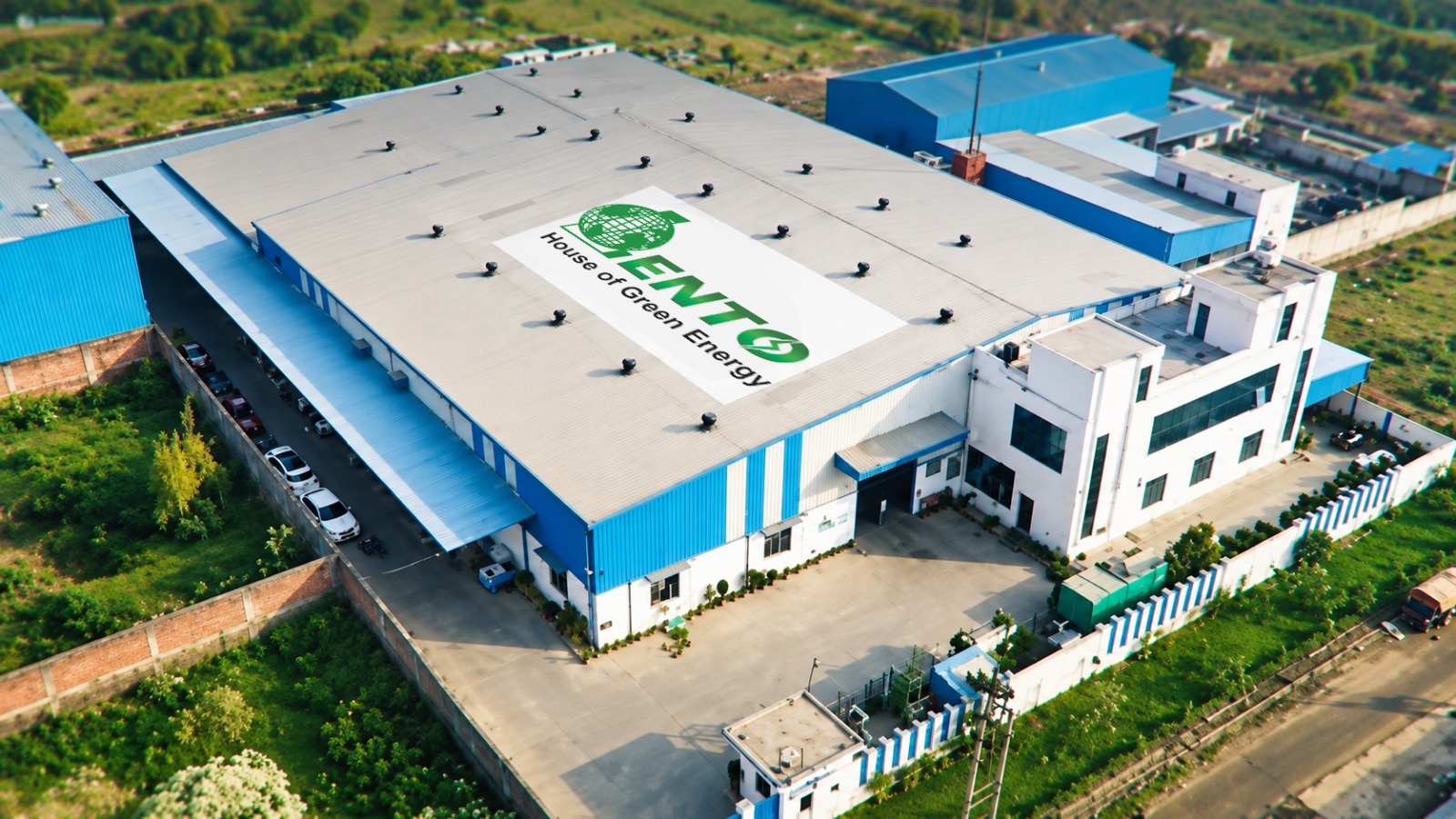
An inverter only converts power. The battery decides how much energy is available when the grid fails. A poorly matched battery means short backup, charging problems and early replacement. This guide, from Lento Industries Private Limited, explains battery types, indicative inverter battery price in India, 150Ah battery price ranges, backup-time calculations and the checks to make before buying.
Quick Answer: Which Inverter Battery Should You Buy?
Choose a tubular battery for a lower upfront cost and conventional home backup. Choose a compatible lithium (LiFePO4) battery if you want low routine maintenance, compact installation and faster charging. Neither is best for every home. Always confirm that your inverter supports the battery’s voltage and charging profile before buying.
Why Choosing the Right Inverter Battery Matters
Before you compare models, consider these factors:
- Backup time: how many hours you need during a power cut.
- Battery capacity: whether it holds enough usable energy for your load.
- Battery technology: tubular, lithium, flat-plate, SMF or gel.
- Charging compatibility: whether your inverter can charge the battery correctly.
- Warranty and service: what is covered and how support works in your city.
- Total cost: purchase price, installation, maintenance and replacement over time.
Types of Inverter Batteries for Home
1. Tubular Battery: A Common Choice for Home Inverters
A tubular battery is designed for repeated charging and discharging, which suits regular home backup.
- Available in 100Ah, 150Ah, 200Ah and other capacities.
- Generally lower upfront cost than comparable lithium systems.
- Needs periodic maintenance, such as electrolyte checks where the manufacturer specifies.
- Offered with different warranty and performance ratings.
Best for: homes with frequent power cuts that want a conventional setup and a lower initial investment. Explore Lento Tubular Batteries.
2. Lithium Battery for Inverter: Compact and Low Maintenance
LiFePO4 is a popular lithium chemistry for home energy storage and inverter use. Compared with lead-acid, suitable lithium systems can offer a higher usable share of rated capacity, faster charging and a smaller footprint. Actual performance depends on specifications, inverter compatibility and operating conditions.
- No routine water topping-up.
- Compact and generally lighter than comparable lead-acid storage.
- Potentially faster charging when the inverter supports it.
- Battery Management System (BMS) protection in properly designed products.
- Available in different voltages and capacities.
Best for: households that value low maintenance, compact installation and frequent cycling. Compare upfront cost, usable energy, warranty and compatibility first.
Read more about Lento inverters with inbuilt lithium batteries for home, or explore Lento Lithium-Ion and LiFePO4 Batteries.
3. Flat-Plate Battery: For Lower Backup Needs
Flat-plate batteries are another lead-acid type. The upfront price may be lower than some tubular models, but service life depends on construction, charging and discharge depth. Repeated deep discharge can shorten life, so compare warranty and expected service life against a tubular battery before deciding.
4. SMF Battery: For Compatible UPS and Standby Use
SMF means Sealed Maintenance-Free. Many SMF batteries use valve-regulated lead-acid technology and suit UPS systems and emergency backup. They generally need no water topping-up, but not every SMF battery is built for frequent deep cycling in a home inverter. Check intended use, discharge rating and inverter compatibility.
5. Gel Battery: For Specific Backup Systems
Gel batteries use a gel electrolyte and suit selected backup and energy storage applications. They need an inverter or charger that supports their charging profile. Compare cycle-life rating, charging limits, warranty and total price.
Tubular vs Lithium Battery: Quick Comparison
| Factor | Tubular battery | Lithium (LiFePO4) battery |
|---|---|---|
| Upfront cost | Generally lower | Generally higher |
| Maintenance | Periodic checks | Minimal routine upkeep |
| Charging speed | Slower | Potentially faster |
| Usable capacity | Lower share of rated Ah | Higher share of rated capacity |
| Size and weight | Larger, heavier | Compact, lighter |
| Inverter compatibility | Works with most standard inverters | Needs lithium-compatible charging |
This is a general comparison. Check each model’s specification sheet.
What Is a 150Ah Battery, and Do You Need One?
A 150Ah battery has a rated capacity of 150 ampere-hours under specified test conditions. It is a common size for home inverter systems, but it does not suit every household. Backup time depends on battery voltage, usable capacity, inverter efficiency, load and battery condition.
What Can a 150Ah Battery Run?
A suitable 150Ah system can back up combinations of lights, fans, a television, a router and other compatible appliances. The hours depend on actual consumption.
| Household load | What affects backup time |
|---|---|
| Fans and LED lights | Number of appliances and wattage |
| Fans, lights and television | Combined wattage and usage duration |
| Refrigerator, fans and lights | Compressor starting current and running load |
| Computer and networking equipment | Wattage and need for continuous backup |
Avoid trusting fixed backup-hour claims without calculating your actual load.
How to Estimate Inverter Battery Backup Time
Use this simple inverter battery capacity calculator method:
Battery energy (Wh) = Voltage × Capacity (Ah)
Backup time (hours) = Battery energy × usable fraction × inverter efficiency ÷ load (W)
Example: a nominal 12V, 150Ah lead-acid battery holds about 1,800Wh. Assuming 50% usable capacity and 85% inverter efficiency, usable AC energy is about 765Wh. At a constant 150W load, that gives roughly 5.1 hours.
This is only an illustration. Real backup can be lower because of discharge rate, battery age, temperature, wiring losses and inverter cut-off settings.
150Ah Battery Price in India 2026
The 150Ah battery price depends on technology, brand, model, warranty and seller.
| Battery type | Indicative price range |
|---|---|
| 150Ah tubular battery | ₹12,000 – ₹20,000 |
| 150Ah flat-plate battery | Varies by model and availability |
| Lithium battery | Varies by voltage, capacity and configuration |
These are indicative budgeting ranges, not confirmed current Lento selling prices. A 150Ah lithium battery and a 150Ah lead-acid battery should not be compared on Ah alone, because voltage, usable energy and system compatibility differ. Always ask for a quote for the exact model and warranty.
For more detail, read our guide to inverter battery price in India: tubular, lithium, SMF and gel battery cost.
Inverter Battery Price Guide in India
| Battery type | Common configuration | Price considerations |
|---|---|---|
| Flat-plate | Common home capacities | Often a lower initial-cost option |
| Tubular | 100Ah, 150Ah, 200Ah | Rises with capacity, build and warranty |
| Lithium | Various voltages and Ah | Depends on usable energy, cells, BMS and warranty |
| SMF | Multiple standby and UPS sizes | Depends on discharge rating and application |
| Gel | Application-specific | Depends on cycle-life rating and charging needs |
For a fair comparison, check whether installation, accessories and old-battery exchange are included. Our lithium inverter battery price in India guide covers lithium costs in more depth.
How to Choose the Best Inverter Battery for Home
1. Calculate Your Power Load
List the appliances you want to run during a cut and note their wattage. Add them up, and allow for starting surges from refrigerators and pumps. The inverter’s rated output in watts must also cover this load, because VA alone does not show usable power.
2. Consider Power-Cut Duration
For short outages and a small load, a smaller battery may be enough. For long outages, you need more usable energy. Choose by hours of backup, not just the number of appliances.
3. Check the Battery’s C-Rating
Capacity is measured under specific conditions. A C20 rating, for example, refers to capacity over a 20-hour discharge. Available capacity changes with discharge rate, temperature and chemistry, so compare batteries using the same rating conditions.
4. Compare Warranty and After-Sales Service
Check the warranty period, what it covers, whether it offers replacement or prorated coverage, and how service works in your area. Do not assume every battery from one brand carries the same warranty.
5. Verify Inverter Compatibility
Not every inverter supports every chemistry. Confirm:
- Battery voltage and capacity requirements.
- Supported charging voltage and current.
- Lithium BMS compatibility, where relevant.
- Manufacturer-approved battery types.
- Installation and ventilation needs.
This matters most when replacing lead-acid with lithium.
6. Compare Total Cost of Ownership
The cheapest battery is not always the cheapest over time. Weigh purchase price, maintenance, warranty, usable energy and replacement cost. A tubular battery suits a lower upfront budget, while a compatible lithium battery suits buyers who want low upkeep.
Lento Industries: Battery and Inverter Solutions
Lento Industries Private Limited, an inverter and battery manufacturer in India, offers power backup products for residential, commercial and industrial use. Depending on availability, customers can explore tubular and lithium-ion batteries alongside compatible inverter solutions.
Lento Tubular Batteries: a conventional option for home backup. Compare capacity, rating, warranty and inverter compatibility for your chosen model. Explore tubular batteries.
Lento Lithium-Ion Batteries: review voltage, capacity, BMS specifications and supported applications before purchase. Explore lithium-ion and LiFePO4 batteries.
Inverters with Inbuilt Lithium Batteries: the inverter and battery come in one unit, which can simplify setup by removing the need for a separate external battery. Learn about inbuilt lithium battery inverters.
For model availability, technical details and pricing, visit the Lento India website or contact Lento Industries.
Frequently Asked Questions
1. Which battery brand is best for an inverter?
The right brand depends on your backup needs, battery type and budget. Lento offers lithium battery solutions for compatible home inverter systems.
2. What type of inverter is best for a home?
A pure sine wave inverter is suitable for most homes because it provides stable power for compatible appliances. Lento offers home inverters with inbuilt lithium batteries and solar-compatible options.
3. Which battery is best for an inverter, 150Ah or 200Ah?
A 200Ah battery generally provides longer backup than a 150Ah battery at the same voltage and with comparable battery technology. Choose based on your appliance load, required backup time and budget.
4. Which inverter battery has the longest life?
LiFePO4 lithium batteries generally offer a longer cycle life than conventional lead-acid batteries when used and charged correctly. Lento offers lithium battery solutions for compatible inverter systems.
5. Can I use a lithium battery with a normal inverter?
Only if the inverter supports the battery’s voltage, charging profile and other requirements. Check both manufacturers’ specifications first.
6. Is a maintenance-free battery better for home use?
It reduces routine upkeep, but suitability depends on its intended application and compatibility with your inverter.
7. Which battery suits long power cuts?
One with enough usable energy for your load. Tubular and compatible lithium batteries are both options, depending on budget and charging support.
8. Where can I check Lento battery prices?
Visit the Lento India website or use the contact page for model-specific pricing, warranty and compatibility details.
Conclusion: Which Inverter Battery Should You Choose?
The best inverter battery for home depends on your power needs, budget, preferred technology and inverter compatibility.
- Tubular battery: best for conventional backup and a lower initial investment.
- Lithium battery: best if you want low maintenance, compact installation and suitable lithium charging support.
- Flat-plate battery: consider for modest backup needs after comparing service life and warranty.
- SMF or gel battery: choose only when the model suits your application and charging system.
Compare the exact model’s specifications, warranty and current price before buying. A well-matched battery delivers more value than the highest Ah rating or the lowest price. Explore Lento Tubular Batteries and Lento Lithium-Ion Batteries, or contact Lento Industries for enquiries.
Related Posts
- Inverter Battery Price in India: Tubular, Lithium, SMF and Gel Battery Cost
- No. 1 Inverter Battery Company in India: How to Choose the Best Brand
- Top 10 Inverter Batteries in India: Best Brands, Types and Buying Guide
- Top Inverter Brands in India: How to Choose the Best