
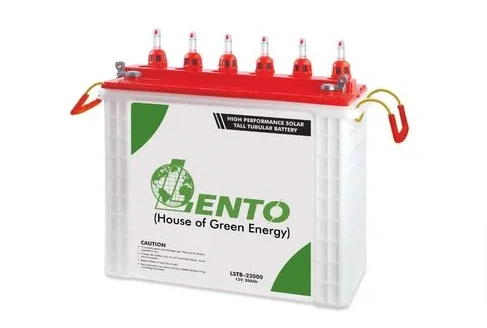
How to Charge an Inverter Battery Without Electricity: A Complete, Practical, and Easy Guide
19 January 2026
In many parts of the world, electricity shortages are no longer occasional inconveniences—they are a daily challenge. Frequent power cuts, weak grid infrastructure, rising electricity costs, and remote living conditions have made inverter systems essential for homes, offices, shops, farms, and small industries. However, an inverter alone is not enough. The real concern arises when there is no electricity available to charge the inverter battery.
This leads to a very common and practical question:
How can you charge an inverter battery without electricity?
The answer is simple: there are multiple reliable ways to charge an inverter battery even when grid power is completely unavailable. This blog explains each method in detail, using simple language, real-life logic, and clear explanations so that even a non-technical user can understand and apply the solution confidently.
Why Charging an Inverter Battery Without Electricity Is Necessary
An inverter battery stores energy and supplies power during outages. But when electricity is unavailable for long durations, the battery cannot recharge itself. This situation is common in:
-
Rural and semi-urban areas
-
Regions with daily scheduled power cuts
-
Remote locations and off-grid sites
-
Areas with high diesel dependency
-
Emergency or disaster-prone zones
Without an alternative charging source, your inverter system becomes ineffective. Therefore, understanding independent battery charging methods is essential for uninterrupted power availability.
1. Charging an Inverter Battery Using Solar Panels (Best and Most Reliable Method)
Charging an inverter battery using solar panels is the most efficient, safest, and long-term solution when electricity is not available. This method is widely used in off-grid solar systems, rural homes, commercial buildings, and energy-deficient regions.
How Solar Charging Works
Solar panels convert sunlight into direct current (DC) electricity. This DC power passes through a solar charge controller, which regulates the voltage and current before supplying it to the inverter battery. The controller ensures that the battery is charged gradually and safely without overcharging or deep discharge.
Components Required for Solar Charging
-
Solar panels (matched to battery voltage)
-
Solar charge controller (PWM or MPPT)
-
Proper DC wiring and protection devices
-
Compatible inverter battery (tubular, SMF, or lithium)
Why a Charge Controller Is Mandatory
A solar panel produces fluctuating voltage depending on sunlight. Directly connecting a panel to a battery can:
-
Overcharge the battery
-
Reduce battery lifespan
-
Cause heating and internal damage
A charge controller protects the battery and optimizes charging efficiency.
Benefits of Solar Charging
-
No dependency on electricity or fuel
-
Zero running cost after installation
-
Silent and pollution-free operation
-
Extends battery life
-
Ideal for daily and long-term use
PWM vs MPPT Controllers
-
PWM controllers are budget-friendly and suitable for small systems
-
MPPT controllers are more efficient, charge faster, and perform better in low sunlight
For regions with unreliable sunlight or high battery capacity, MPPT controllers are strongly recommended.
2. Charging an Inverter Battery Using a Generator
Generators are a widely used backup solution to charge inverter batteries when there is no grid electricity.
How Generator Charging Works
A diesel or petrol generator produces AC electricity. This AC power is supplied to the inverter’s input, where the inverter’s built-in charger converts it into DC power and charges the battery.
Advantages of Generator Charging
-
Fast charging speed
-
Works during day and night
-
Suitable for high-capacity batteries
-
Reliable during emergencies
Limitations of Generator Charging
-
Continuous fuel expenses
-
Noise and air pollution
-
Regular maintenance required
-
Not cost-effective for daily use
Best Use Case
Generators are best used as an emergency or backup charging source, especially when solar energy is unavailable for extended periods.
3. Charging an Inverter Battery Using a Vehicle (Car or Truck)
Charging an inverter battery using a vehicle alternator is possible but should be considered a temporary or emergency solution.
How Vehicle Charging Works
When a vehicle engine is running, the alternator generates DC power. This power can be used to charge an inverter battery using jumper cables or a DC-to-DC charger.
Important Safety Guidelines
-
Battery voltage must match (12V vehicle to 12V inverter battery)
-
Vehicle engine must remain running
-
Thick, high-quality cables should be used
-
Prefer a DC-DC charger to regulate current
Limitations
-
Very slow charging speed
-
Risk of overcharging without regulation
-
Not suitable for large or deep-cycle batteries
This method is only recommended when no other option is available.
4. Charging an Inverter Battery Using a Portable Solar Power Station
Portable solar power stations are compact devices with an inbuilt battery and inverter.
How This Method Works
The portable power station is charged using solar panels or a vehicle. Its AC output is then used to charge the inverter battery.
Advantages
-
Plug-and-play convenience
-
Safe and compact
-
Useful for small backup requirements
Disadvantages
-
Low charging current
-
Inefficient for large inverter batteries
-
Not suitable for continuous usage
This solution works best for small systems or short-term power needs.
5. Charging an Inverter Battery Using Wind Energy (Location-Specific)
In regions with strong and consistent wind flow, wind turbines can be used to charge inverter batteries.
Requirements
-
Wind turbine
-
Wind charge controller
-
Dump load for excess energy
Challenges
-
Inconsistent power generation
-
High installation cost
-
Technical complexity
Wind charging is practical only in specific geographic conditions.
Unsafe Methods You Must Avoid
Never attempt these practices, as they can permanently damage the battery:
-
Connecting solar panels directly to the battery
-
Using mobile chargers or SMPS adapters
-
Overcharging without voltage regulation
-
Mixing different battery chemistries
These methods reduce battery life and pose serious safety risks.
Which Charging Method Is Best for You?
| Scenario | Recommended Method |
|---|---|
| Daily power cuts | Solar panel + MPPT |
| Emergency charging | Generator |
| Temporary backup | Vehicle charging |
| Small setup | Portable power station |
| Windy locations | Wind turbine |
For most users, solar charging remains the most practical and cost-effective solution.
Frequently Asked Questions (Real User Queries Answered)
Can I charge an inverter battery directly with a solar panel?
No. A charge controller is mandatory to prevent damage.
How many solar panels are required?
Example:
-
12V 150Ah battery → 300–400W solar panels recommended
Can lithium inverter batteries be charged without electricity?
Yes. Solar charging works perfectly with lithium batteries when a BMS-compatible controller is used.
Final Conclusion
Charging an inverter battery without electricity is completely possible, practical, and widely implemented. Among all available methods, solar panel charging is the most reliable, economical, and sustainable option for long-term use. Generators and vehicles serve as backup solutions, but solar energy provides true independence from grid failures.
With the right setup, you can ensure continuous power availability, protect your battery investment, and reduce dependency on unstable electricity supplies.
If you want exact solar panel size, controller rating, or charging time calculations, share your battery specifications, and I will guide you precisely.