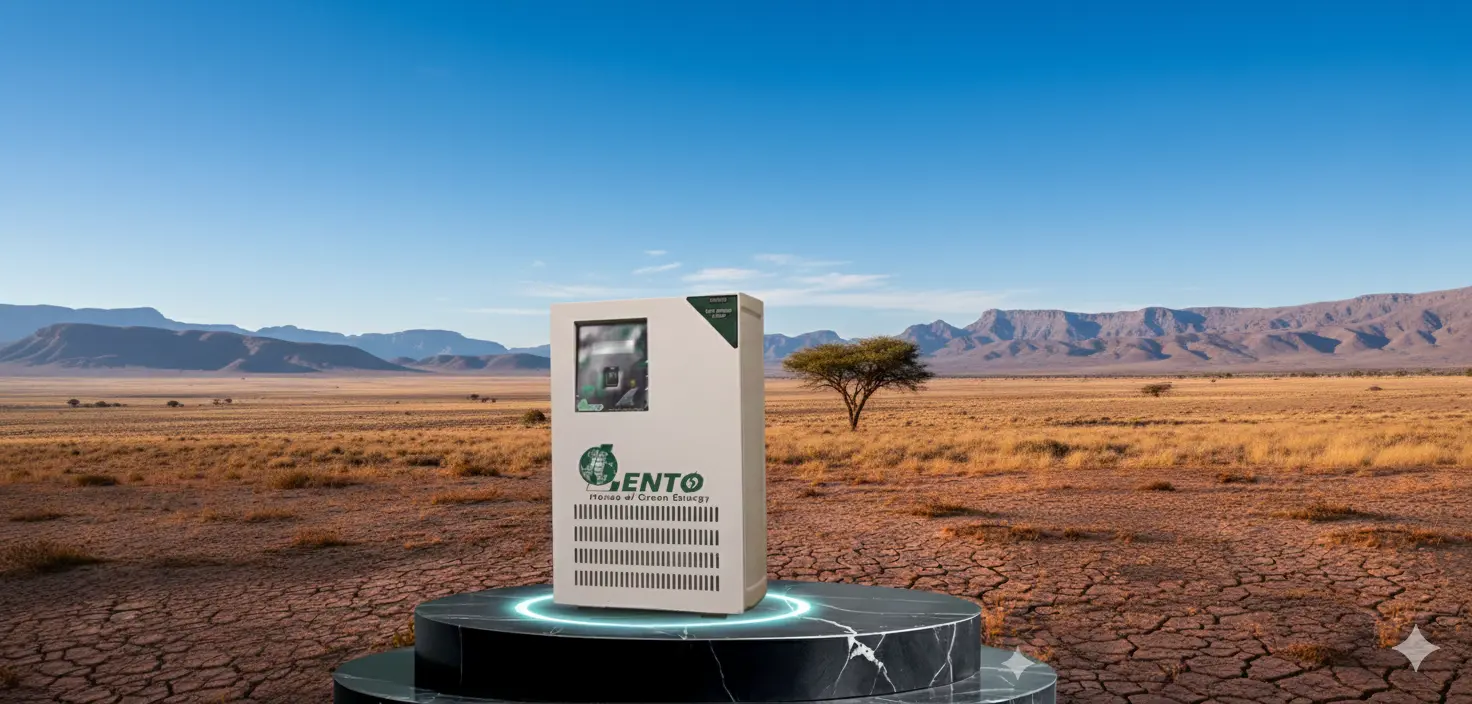
Pure Sine Wave Inverter Prices in South Africa 2026
24 December 2025
South Africa’s energy landscape continues to evolve, and in 2026, reliable backup power is no longer a luxury—it is a necessity. As someone who has worked closely with solar and power backup solutions for years, I have seen how pure sine wave inverters have become the preferred choice for homes, businesses, and installers across the country. In this blog, I will walk you through pure sine wave inverter prices in South Africa in 2026, what drives these prices, how to choose the right model, and why quality matters more than ever.
My goal is to keep this guide simple, practical, and useful—whether you are an end customer planning a home inverter system or a business owner sourcing products for resale or installation.
Why Pure Sine Wave Inverters Matter in South Africa
Power instability, load shedding, and rising electricity costs have pushed South Africans to look for dependable alternatives. Pure sine wave inverters stand out because they deliver electricity that closely matches grid-quality power. This is critical in 2026, as homes and businesses rely on sensitive electronics, smart appliances, and energy-efficient equipment.
From my experience, users who invest in pure sine wave technology enjoy smoother appliance performance, fewer breakdowns, and longer equipment life. This reliability is one of the main reasons why demand for pure sine wave inverters in South Africa continues to grow year after year.
Pure Sine Wave Inverter Price Trends in South Africa 2026
When discussing pure sine wave inverter prices in South Africa 2026, it is important to understand that prices vary widely depending on capacity, features, and application. Compared to modified sine wave models, pure sine wave inverters are priced higher—but the value they offer easily justifies the cost.
In 2026, pricing remains competitive due to increased imports, better manufacturing efficiency, and strong demand from both residential and commercial sectors. While global component costs influence prices, South Africa’s mature solar market has helped stabilize inverter pricing compared to previous years.
Price Range Based on Inverter Capacity
Small Capacity Inverters for Home Use
Entry-level pure sine wave inverters, typically used for lights, fans, TVs, and basic appliances, are popular among urban apartments and small homes. In 2026, these systems are attractively priced and widely available.
For many first-time buyers, this segment offers an affordable way to experience clean and stable backup power without overinvesting.
Mid-Range Inverters for Homes and Small Businesses
Mid-capacity pure sine wave inverters are the most in-demand category in South Africa. These systems comfortably handle refrigerators, washing machines, office equipment, and small workshops.
From what I see in the market, buyers in this segment focus on durability, battery compatibility, and service support rather than just upfront cost. Prices in 2026 reflect this balance between performance and long-term reliability.
High-Capacity Inverters for Commercial and Industrial Use
For larger businesses, farms, retail outlets, and light industrial units, high-capacity pure sine wave inverters are essential. These systems are designed for continuous operation and heavy loads.
In 2026, prices in this category are higher due to advanced electronics, higher safety standards, and robust design. However, businesses view this as an investment rather than an expense, especially when downtime can be costly.
Key Factors That Influence Pure Sine Wave Inverter Prices
Inverter Technology and Build Quality
Not all pure sine wave inverters are built the same. High-quality internal components, efficient cooling systems, and advanced protection features directly impact pricing. In my experience, lower-priced units often compromise on component quality, which affects lifespan.
Battery Compatibility and System Voltage
Inverters compatible with multiple battery types—such as tubular, lithium, or SMF—usually command a higher price. Higher system voltages also improve efficiency and reduce losses, which adds to the overall cost but delivers better performance.
Solar Integration and Smart Features
In 2026, many pure sine wave inverters in South Africa come with solar-ready or hybrid functionality. Features like LCD displays, remote monitoring, and intelligent charging increase convenience and efficiency, and they also influence pricing.
Residential vs Commercial Buying Considerations
What Homeowners Should Look For
Home users should focus on safety, silent operation, and ease of installation. From my conversations with homeowners, reliability during load shedding is the top priority, followed by reasonable pricing and local service availability.
What Business Owners and Distributors Should Consider
For businesses and resellers, consistency and scalability matter most. Buying pure sine wave inverters that perform reliably across multiple installations builds trust with customers. In 2026, competitive pricing combined with dependable after-sales support is a key differentiator in the South African market.
Why Price Should Not Be the Only Decision Factor
While searching for the lowest pure sine wave inverter price in South Africa, many buyers overlook long-term performance. I always advise customers to think beyond the purchase price.
A well-built inverter delivers:
-
Stable output for sensitive electronics
-
Lower maintenance costs
-
Better battery life
-
Higher customer satisfaction
In the long run, this translates into better value and fewer headaches.
Market Demand and Opportunities in 2026
South Africa’s inverter and solar market continues to expand in 2026. Residential solar adoption is increasing, and small businesses are actively investing in backup power to maintain operations during outages.
For entrepreneurs and installers, this creates strong opportunities. High demand for pure sine wave inverters means consistent sales, repeat customers, and long-term growth potential when the right products are chosen.
The Role of Trusted Global Manufacturers
Working with established manufacturers ensures consistent quality and stable pricing. Brands with international export experience understand diverse market requirements and compliance standards. This reliability is especially important for distributors who want to build a strong presence in their local regions.
Lento has earned recognition across multiple global markets for supplying dependable solar and power backup solutions designed for both residential and commercial use. This global exposure helps maintain competitive pricing and consistent product quality for partners.
How to Choose the Right Pure Sine Wave Inverter in 2026
From my professional experience, the right inverter choice always starts with understanding your load requirements. Oversizing wastes money, while undersizing leads to frequent overloads.
Before buying, consider:
-
Total connected load
-
Daily backup duration needed
-
Battery type and capacity
-
Future expansion plans
Balancing these factors helps you get the best performance at the right price point.
Future Outlook for Pure Sine Wave Inverter Prices
Looking ahead, pure sine wave inverter prices in South Africa are expected to remain stable through 2026, with gradual improvements in technology rather than dramatic price drops. Increased competition will continue to benefit buyers, while quality-focused brands will stand out.
As energy independence becomes a priority, pure sine wave inverters will remain a core component of modern power systems.
Lento India – Global B2B Solar Exporter
Lento India proudly exports solar and power solutions to 24 countries including Mexico, Chile, Peru, Ecuador, Dominican Republic, Afghanistan, Nigeria, Iraq, Uganda, Yemen, Syria, Iran, Oman, Morocco, Egypt, and Kuwait.
We supply solar panels, tubular batteries, SMF batteries, inverters, and Online UPS systems to global distributors, OEMs, and large-scale installers.
Lento India – Powering industries, homes, and communities across continents with trust and technology.
Frequently Asked Questions
1. What is the average pure sine wave inverter price in South Africa in 2026?
Prices vary by capacity and features, but in 2026, buyers can find options ranging from entry-level home units to high-capacity commercial systems.
2. Are pure sine wave inverters worth the higher price?
Yes. They provide stable power, protect appliances, and deliver better long-term value compared to cheaper alternatives.
3. Can pure sine wave inverters run sensitive electronics?
Absolutely. They are ideal for computers, medical equipment, smart TVs, and modern appliances.
4. Do pure sine wave inverters support solar panels?
Many models in 2026 are solar-compatible or hybrid, allowing easy integration with solar systems.
5. Is there good demand for inverter distribution in South Africa?
Yes. Rising energy challenges and solar adoption make inverter distribution a strong business opportunity.
Conclusion
In 2026, understanding pure sine wave inverter prices in South Africa is about more than just numbers—it is about value, reliability, and future readiness. Whether you are powering a home, protecting a business, or building a distribution network, choosing the right inverter makes all the difference.
With stable pricing, growing demand, and continuous technological improvements, pure sine wave inverters remain one of the smartest investments in South Africa’s power ecosystem.
👉 Become our distributor in your state.