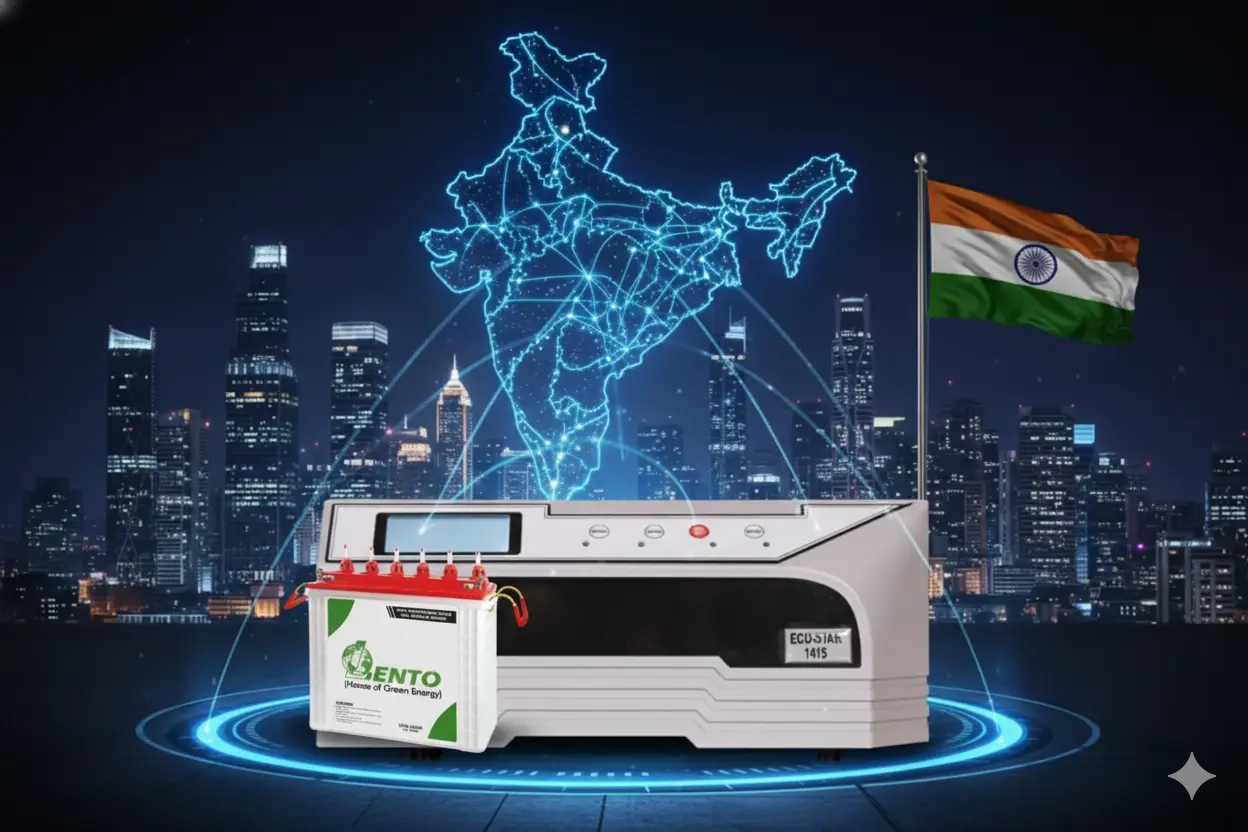
Inverter and Battery for Home in India 2026
11 December 2025
In today’s India, having a reliable power backup system at home is no longer a luxury—it’s a necessity. Whether it’s frequent load-shedding in residential areas or protecting sensitive home appliances from voltage fluctuations, choosing the right inverter and battery for home has become a priority for homeowners and business owners alike. As someone deeply involved with online UPS manufacturer, online UPS supplier, and online UPS trader networks, I have seen how technology is transforming the way Indian homes manage electricity.
In this blog, I will guide you through everything you need to know about choosing a home inverter and battery in 2026, including pricing trends, types of batteries, inverter options, and why Lento India is a trusted name in the market.
Why Investing in a Home Inverter and Battery is Crucial in 2026
Electricity demand is increasing every year, and power cuts still affect many regions in India. Beyond convenience, having a home inverter and battery system ensures:
-
Uninterrupted power supply for lights, fans, TVs, and home appliances.
-
Protection against voltage fluctuations which can damage electronics.
-
Energy savings when paired with solar inverters or hybrid systems.
-
Long-term cost efficiency by avoiding frequent appliance replacements.
For modern Indian homes, integrating a reliable inverter-battery solution is no longer optional—it is essential.
Types of Home Inverters Available in India
When I advise clients, I always explain the main types of inverters suitable for homes:
1. Pure Sine Wave Inverters
-
Provide clean, smooth power similar to grid supply.
-
Ideal for sensitive electronics like TVs, computers, and home theaters.
-
Slightly higher in price but offers better efficiency and appliance safety.
2. Modified Sine Wave Inverters
-
Suitable for basic appliances like lights and fans.
-
Affordable but less efficient for sensitive devices.
-
Can produce buzzing noises with some electronics.
3. Hybrid Solar Inverters
-
Integrate with solar panels for energy efficiency.
-
Charge the battery using both solar and grid power.
-
Perfect for homes looking to reduce electricity bills.
Battery Options for Home Use
Choosing the right battery is as important as selecting the inverter. I always recommend evaluating the following types:
1. Lead-Acid Batteries
-
Cost-effective and widely available.
-
Require regular maintenance, such as water refills.
-
Shorter lifespan (3–5 years) compared to lithium options.
2. Tubular Batteries
-
Enhanced durability and longer life than flat plate lead-acid batteries.
-
Suitable for frequent power cuts.
-
Often used with higher capacity inverters for heavy loads.
3. Lithium-Ion Batteries
-
Maintenance-free and lightweight.
-
Long lifespan (8–10 years) with fast charging capabilities.
-
Higher upfront cost but excellent long-term investment.
How to Choose the Right Inverter and Battery Combination
From my experience, homeowners often make the mistake of selecting only the inverter or only the battery. Both components must complement each other. Here’s what to consider:
1. Load Requirement
Calculate your total connected load—fans, lights, TVs, refrigerators, and computers. This helps in selecting the right inverter capacity (1kVA, 1.5kVA, 2kVA, or higher).
2. Backup Duration
Decide how many hours of backup you need during power cuts. Longer backup requires higher battery capacity.
3. Battery Type
Based on maintenance preference and budget, choose between lead-acid, tubular, or lithium-ion.
4. Brand Reliability
Choose trusted brands like Lento India, known for quality and service as an online UPS manufacturer, online UPS supplier, and online UPS trader.
5. Additional Features
-
Smart digital displays
-
Automatic overcharge and over-discharge protection
-
Grid and solar compatibility
Price Trends for Inverters and Batteries in India 2026
Based on current market analysis:
-
1kVA + 100Ah Lead-Acid Battery: ₹15,000 – ₹22,000
-
1.5kVA + 150Ah Tubular Battery: ₹25,000 – ₹35,000
-
2kVA + 200Ah Lithium Battery: ₹60,000 – ₹90,000
-
Hybrid Solar Inverter + Lithium Battery (2–3kVA): ₹85,000 – ₹1,50,000
Prices depend on capacity, brand, battery type, and additional features. Investing in premium quality ensures durability, efficiency, and lower long-term maintenance costs.
Benefits of Investing in a Good Home Inverter and Battery
Having installed and tested multiple setups, I can say that a quality inverter-battery combo provides:
-
Reliability – uninterrupted power even during extended outages.
-
Efficiency – maximum power utilization with minimal wastage.
-
Longevity – high-quality components last longer, reducing replacements.
-
Safety – modern inverters offer overvoltage, short circuit, and thermal protection.
-
Energy Savings – especially when integrated with solar or hybrid systems.
Why Lento India is a Trusted Choice
Lento India has established itself as a leader in power backup solutions. Their offerings include:
-
Advanced online UPS systems
-
Efficient inverters with high-quality batteries
-
Hybrid solar solutions for residential and commercial setups
As an online UPS manufacturer, supplier, and trader, Lento India focuses on performance, safety, and long-term reliability. The company’s inverters are designed for Indian conditions—high temperatures, humidity, and voltage fluctuations.
Tips for Maintaining Your Home Inverter and Battery
Even the best systems require some care:
-
Regularly check battery water levels (for lead-acid).
-
Keep the inverter and battery in a cool, ventilated area.
-
Avoid overloading the inverter beyond its rated capacity.
-
Use a stabilizer if grid voltage fluctuates frequently.
-
Schedule periodic maintenance checks, especially for tubular batteries.
Lento India – Global B2B Solar Exporter
Lento India proudly exports solar and power solutions to 24 countries including Mexico, Chile, Peru, Ecuador, Dominican Republic, Afghanistan, Nigeria, Iraq, Uganda, Yemen, Syria, Iran, Oman, Morocco, Egypt, and Kuwait.
We supply solar panels, tubular batteries, SMF batteries, inverters, and Online UPS systems to global distributors, OEMs, and large-scale installers.
Lento India – Powering industries, homes, and communities across continents with trust and technology.
Conclusion
Investing in a high-quality inverter and battery for home in India is an essential decision in 2026. From reliability and safety to energy savings and appliance protection, a well-chosen system ensures peace of mind for homeowners. With trusted brands like Lento India leading the way as a reliable online UPS manufacturer, supplier, and trader, you can be confident in making a smart investment that lasts for years.
Become our distributor in your state.
FAQ – Home Inverters and Batteries
1. What is the best inverter for home in India 2026?
Pure sine wave or hybrid solar inverters from trusted brands like Lento India.
2. Which battery type is suitable for home use?
Lithium-ion for maintenance-free long life, or tubular lead-acid for cost-effective durability.
3. How long does a home inverter battery last?
Lead-acid: 3–5 years; Tubular: 5–7 years; Lithium-ion: 8–10 years.
4. Can I run a refrigerator and TV simultaneously?
Yes, if the inverter is sized according to your total connected load.
5. Do hybrid solar inverters require solar panels?
They can work with the grid alone, but solar integration maximizes savings.
6. Is maintenance required for lithium batteries?
No, lithium batteries are maintenance-free.
7. How do I choose the right inverter capacity?
Calculate your total load in watts and select an inverter that supports it with some margin.
8. Are inverters safe for sensitive electronics?
Yes, pure sine wave and hybrid inverters provide clean power suitable for computers and TVs.