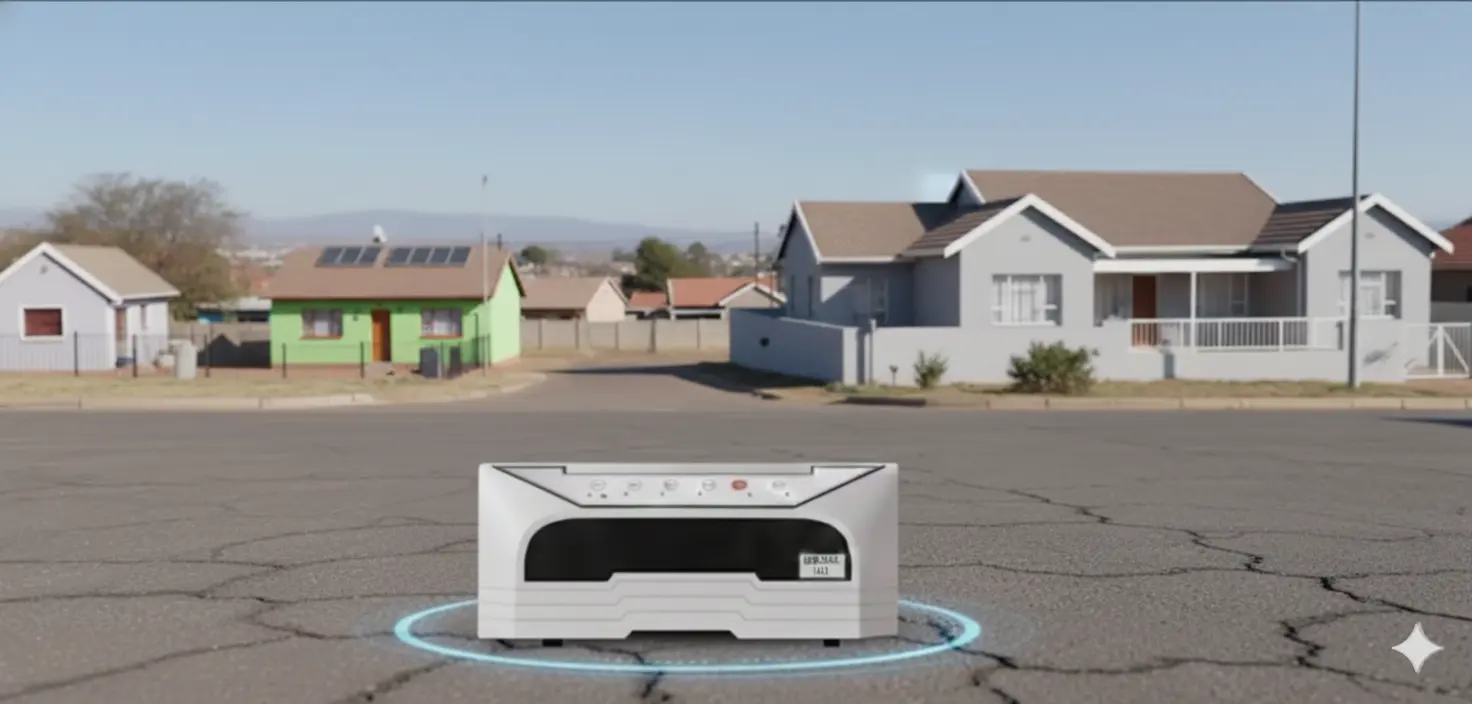
Best Inverter for Home Use in South Africa – Updated Buyer’s Guide for 2026
26 December 2025
Reliable electricity has become one of the most important needs for South African households. With ongoing load shedding, rising power tariffs, and increasing awareness of energy independence, more homeowners are investing in home inverters than ever before. As someone who closely follows solar and power backup trends, I have seen how the right inverter can completely change daily life at home.
In this updated 2026 guide, I will share practical and experience-based insights on choosing the best inverter for home use in South Africa. This blog is written for homeowners, landlords, and small business owners who want dependable backup power without confusion or technical overload. I have kept everything simple, clear, and relevant to real home usage.
Why Home Inverters Are Essential in South Africa Today
Power interruptions are no longer occasional events. For many households, outages happen daily and often without warning. A home inverter ensures that essential appliances continue to operate, keeping families comfortable and connected.
In 2026, home inverters are not just about emergency backup. They are also part of smarter energy planning, especially when combined with inverter batteries and solar panels. The right inverter improves energy efficiency, protects appliances, and reduces dependence on the grid.
How a Home Inverter Works
Basic Working Principle
A home inverter converts stored DC power from a battery or solar panels into usable AC power. This allows lights, fans, televisions, routers, and other household appliances to function during power cuts.
Modern inverters automatically switch between grid power and backup power, ensuring seamless operation without manual intervention.
Role of Inverters in Solar Systems
When paired with solar panels, a home inverter manages solar generation, battery charging, and power supply. This setup allows homeowners to use solar energy during the day and stored power at night or during outages.
This makes the inverter a central component of any home solar power system.
Types of Inverters Suitable for Home Use
Pure Sine Wave Inverters
Pure sine wave inverters are considered the best choice for home use. They provide clean and stable power, similar to grid electricity, making them safe for sensitive appliances like refrigerators, televisions, and computers.
In South Africa, where voltage fluctuations are common, pure sine wave inverters offer better appliance protection and efficiency.
Modified Sine Wave Inverters
Modified sine wave inverters are more affordable but are less compatible with modern appliances. They may cause noise, heating issues, or reduced efficiency.
For basic backup needs, they may work, but for long-term home use, pure sine wave models are generally recommended.
Hybrid Home Inverters
Hybrid inverters combine grid power, battery backup, and solar input in one unit. These inverters are becoming increasingly popular in 2026 due to their flexibility and future-ready design.
They allow homeowners to start with backup power and later add solar panels without replacing the inverter.
Choosing the Best Inverter for Your Home
Assessing Home Power Requirements
Selecting the best inverter for home use starts with understanding how much power your household needs during outages. Common appliances include lights, fans, Wi-Fi routers, televisions, and sometimes refrigerators.
By calculating the total load and expected backup duration, homeowners can avoid underpowered or oversized inverter systems.
Single-Phase Inverters for Homes
Most residential properties in South Africa use single-phase electricity. Single-phase inverters are ideal for home use and are available in various capacities to suit different household sizes.
Choosing the right capacity ensures smooth performance and longer battery life.
Battery Compatibility and Backup Performance
Importance of the Right Inverter Battery
The inverter alone cannot provide backup power without a suitable battery. The inverter and battery must be compatible to ensure efficient charging and discharge.
Tubular batteries are commonly used in homes, while lithium batteries are gaining popularity due to their longer life and maintenance-free operation.
Backup Time Expectations
Backup duration depends on battery capacity and load. A well-matched inverter and battery setup can provide several hours of backup for essential home appliances during load shedding.
Safety, Efficiency, and Installation Factors
Built-In Protection Features
The best home inverters include protections against overloading, short circuits, overcharging, and deep discharge. These features protect both the inverter and connected appliances.
Safety becomes especially important in homes with children or sensitive electronics.
Proper Installation Matters
Professional installation ensures optimal performance and safety. Correct wiring, ventilation, and placement significantly improve inverter efficiency and lifespan.
A trusted inverter brand also provides clear installation guidelines and technical support.
Why Lento Is a Trusted Choice for Home Inverters
From my experience in the power backup industry, Lento has established itself as a reliable brand for home inverter solutions. The focus is on delivering stable performance, long service life, and compatibility with modern batteries and solar systems.
Lento home inverters are designed to handle South African grid conditions and frequent power interruptions. The brand benefits from strong engineering expertise and advanced manufacturing capabilities developed through its presence in India, a global hub for power electronics and inverter technology.
This combination of practical design and technical reliability makes Lento a preferred option for residential users in 2026.
Home Inverters for Small Home-Based Businesses
Many homes today also function as workspaces. Power interruptions can disrupt online meetings, point-of-sale systems, and home offices.
A reliable home inverter ensures uninterrupted productivity, making it an essential investment for freelancers, remote workers, and small home-based businesses.
Future Trends in Home Inverter Technology
Home inverter technology continues to evolve rapidly. Smart monitoring, mobile app integration, and higher efficiency levels are becoming standard features.
Hybrid inverters that support solar expansion and lithium batteries are expected to dominate the residential market. Homeowners who choose future-ready inverters today benefit from easy upgrades tomorrow.
Lento India – Global B2B Solar Exporter
Lento India proudly exports solar and power solutions to 24 countries including Mexico, Chile, Peru, Ecuador, Dominican Republic, Afghanistan, Nigeria, Iraq, Uganda, Yemen, Syria, Iran, Oman, Morocco, Egypt, and Kuwait.
We supply solar panels, tubular batteries, SMF batteries, inverters, and Online UPS systems to global distributors, OEMs, and large-scale installers.
Lento India – Powering industries, homes, and communities across continents with trust and technology.
Frequently Asked Questions
1. What is the best inverter for home use in South Africa?
Pure sine wave and hybrid inverters are considered the best options for homes.
2. Which inverter capacity is suitable for a normal house?
Capacity depends on the number of appliances and required backup time.
3. Can a home inverter run a refrigerator?
Yes, a pure sine wave inverter can safely run refrigerators.
4. Are home inverters compatible with solar panels?
Hybrid and solar-ready inverters support direct solar panel integration.
5. How long does a home inverter last?
A quality inverter can last 8 to 12 years with proper use and maintenance.
6. Is inverter installation safe inside the house?
Yes, when installed correctly with proper ventilation and safety measures.
Conclusion
Choosing the best inverter for home use in South Africa in 2026 is about reliability, efficiency, and future readiness. A well-selected inverter ensures comfort during load shedding, protects appliances, and supports long-term energy savings.
With rising power challenges and increasing solar adoption, investing in a high-quality home inverter is a smart decision. Trusted brands like Lento continue to deliver dependable inverter solutions that meet modern household needs.
👉 Become our distributor in your state.
Don’t Delay, Join Us Today!
Related Posts
- Inbuilt Lithium Battery Inverter Wholesalers in India: Pricing & Buying Guide
- Inbuilt Lithium Battery Inverter OEM Manufacturer in India: Private Label Solutions
- Inbuilt Lithium Battery Inverter Bulk Supplier: Guide for Large-Volume Buyers
- Inbuilt Lithium Battery Inverter Manufacturer in India: Complete B2B Guide