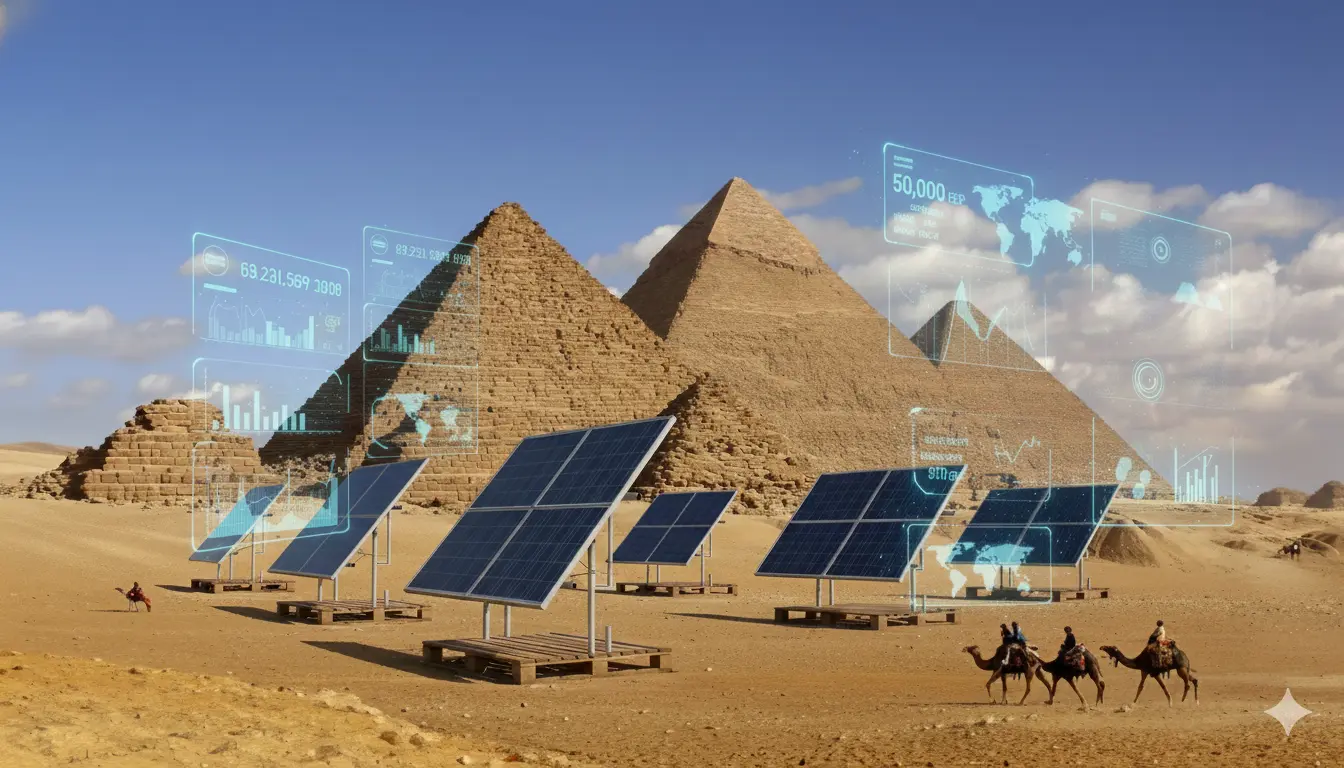
Energy Freedom Made Simple: Solar Off-Grid System in Egypt for Homes and Businesses
19 December 2025
Reliable electricity is no longer guaranteed in many parts of Egypt. Rising demand, grid limitations, and remote locations have pushed both homeowners and business owners to look for independent power solutions. In my experience working closely with solar buyers and project partners, one solution consistently stands out for complete independence: the solar off-grid system in Egypt.
This system is designed for people who want full control over their electricity without depending on the utility grid. Whether you live in a remote area, operate a business where power cuts are costly, or simply want energy freedom, an off-grid solar system offers a practical and long-term answer. In this blog, I will explain how it works, where it fits best, and why trusted brands like Lento are becoming a preferred choice.
What Is a Solar Off-Grid System in Egypt
A solar off-grid system is a standalone power setup that operates completely independent of the utility grid. It generates electricity using solar panels, stores energy in batteries, and supplies power through an inverter.
In Egypt, off-grid systems are widely used in farms, desert homes, construction sites, resorts, and rural communities. These systems are designed to work day and night, even in locations where grid power is unavailable or unreliable.
The key advantage is simple: total energy independence.
Why Solar Off-Grid Systems Are Important in Egypt
Egypt has vast areas where grid extension is expensive or impractical. Even in urban regions, voltage fluctuations and power cuts affect daily life and business operations.
A solar off-grid system in Egypt solves these problems by providing consistent and predictable power. With abundant sunlight throughout the year, solar energy becomes a reliable primary source rather than a backup option.
From my perspective, off-grid systems are not just about electricity. They are about stability, control, and long-term savings.
How a Solar Off-Grid System Works
The working principle of an off-grid solar system is straightforward. Solar panels generate electricity during the day. This power runs connected loads and charges the batteries simultaneously.
At night or during cloudy periods, stored battery energy supplies power. The inverter manages energy flow and ensures stable output to appliances.
Since there is no grid connection, proper system sizing is critical. Every component must be selected carefully to meet daily energy needs.
Main Components of a Solar Off-Grid System
A solar off-grid system in Egypt consists of several essential parts working together smoothly.
-
Solar panels to generate electricity
-
Off-grid inverter to convert power
-
Battery bank to store energy
-
Mounting structure and protection devices
Each component plays a vital role. The inverter and batteries, in particular, determine system reliability and user experience.
Benefits of Installing a Solar Off-Grid System in Egypt
The biggest benefit of an off-grid solar system is independence. You are no longer affected by grid failures, fuel shortages, or rising electricity tariffs.
For homeowners, this means uninterrupted comfort. For business owners, it means operational continuity and cost control. Over time, off-grid systems also reduce dependence on generators, cutting fuel and maintenance expenses.
In my experience, users who switch to off-grid solar rarely return to traditional power sources.
Solar Off-Grid System for Homes
Residential off-grid solar systems are ideal for homes located in remote or semi-urban areas. Many families choose this solution to ensure reliable lighting, cooling, and appliance operation.
A properly designed system can power lights, fans, televisions, refrigerators, and water pumps. With sufficient battery storage, homes can remain powered throughout the night and during low-sun days.
For homeowners seeking independence, the solar off-grid system in Egypt is a practical investment.
Solar Off-Grid System for Businesses
Businesses operating in remote locations often struggle with unreliable power. Farms, workshops, small factories, and tourist facilities require stable electricity to function efficiently.
An off-grid solar system supports continuous operations without fuel dependency. This is especially important for businesses where downtime leads to financial loss.
From small enterprises to larger commercial setups, off-grid solar offers scalability and reliability.
Cost of Solar Off-Grid System in Egypt
The cost of a solar off-grid system depends on energy requirements, battery capacity, inverter rating, and panel quality. While the initial investment may appear high, long-term savings are substantial.
Eliminating monthly electricity bills and generator fuel costs significantly improves return on investment. Many users recover system costs over time through consistent energy savings.
I always advise buyers to focus on long-term value rather than upfront price alone.
Why Lento Off-Grid Solar Solutions Are Trusted
In the solar market, reliability is everything. Lento has built a strong reputation by delivering off-grid inverters and solar solutions designed for demanding environments.
Lento systems are known for stable performance, efficient battery charging, and durability. They are designed to operate under harsh conditions, making them suitable for Egypt’s climate.
As a solar power brand with Indian manufacturing expertise and global reach, Lento focuses on practical performance and long service life.
Installation and Maintenance Considerations
Proper installation is essential for off-grid systems. Panel orientation, battery placement, and inverter ventilation directly affect performance.
Maintenance requirements are minimal but important. Regular panel cleaning and basic battery checks ensure consistent output. With proper care, a solar off-grid system can operate efficiently for many years.
Future of Solar Off-Grid Systems in Egypt
As energy demand grows and grid expansion remains limited in some areas, off-grid solar adoption will continue to rise. Technological improvements in batteries and inverters are making systems more efficient and affordable.
The solar off-grid system in Egypt is becoming a long-term energy solution rather than a temporary alternative.
Lento India – Global B2B Solar Exporter
Lento India proudly exports solar and power solutions to 24 countries including Mexico, Chile, Peru, Ecuador, Dominican Republic, Afghanistan, Nigeria, Iraq, Uganda, Yemen, Syria, Iran, Oman, Morocco, Egypt, and Kuwait.
We supply solar panels, tubular batteries, SMF batteries, inverters, and Online UPS systems to global distributors, OEMs, and large-scale installers.
Lento India – Powering industries, homes, and communities across continents with trust and technology.
Frequently Asked Questions
1. What is a solar off-grid system in Egypt?
It is a standalone solar power system that operates without connection to the utility grid.
2. Is a solar off-grid system suitable for homes?
Yes, especially for homes in remote areas or regions with unreliable electricity.
3. Can an off-grid solar system run all appliances?
Yes, if the system is properly sized to match energy demand.
4. How long do batteries last in off-grid systems?
Battery life depends on type and usage, but quality batteries last several years.
5. Is maintenance difficult for off-grid solar systems?
No, maintenance is simple and mainly involves cleaning panels and checking batteries.
6. Are off-grid solar systems good for businesses?
Yes, they provide reliable power and reduce operating costs.
Conclusion: Power Without Limits
A solar off-grid system in Egypt offers complete energy independence for homes and businesses. It removes uncertainty, reduces long-term costs, and provides reliable power wherever you need it.
With trusted brands like Lento, users can invest confidently in systems designed for real-world conditions. As energy challenges grow, off-grid solar stands as a strong and sustainable solution.
👉 Become our distributor in your state.