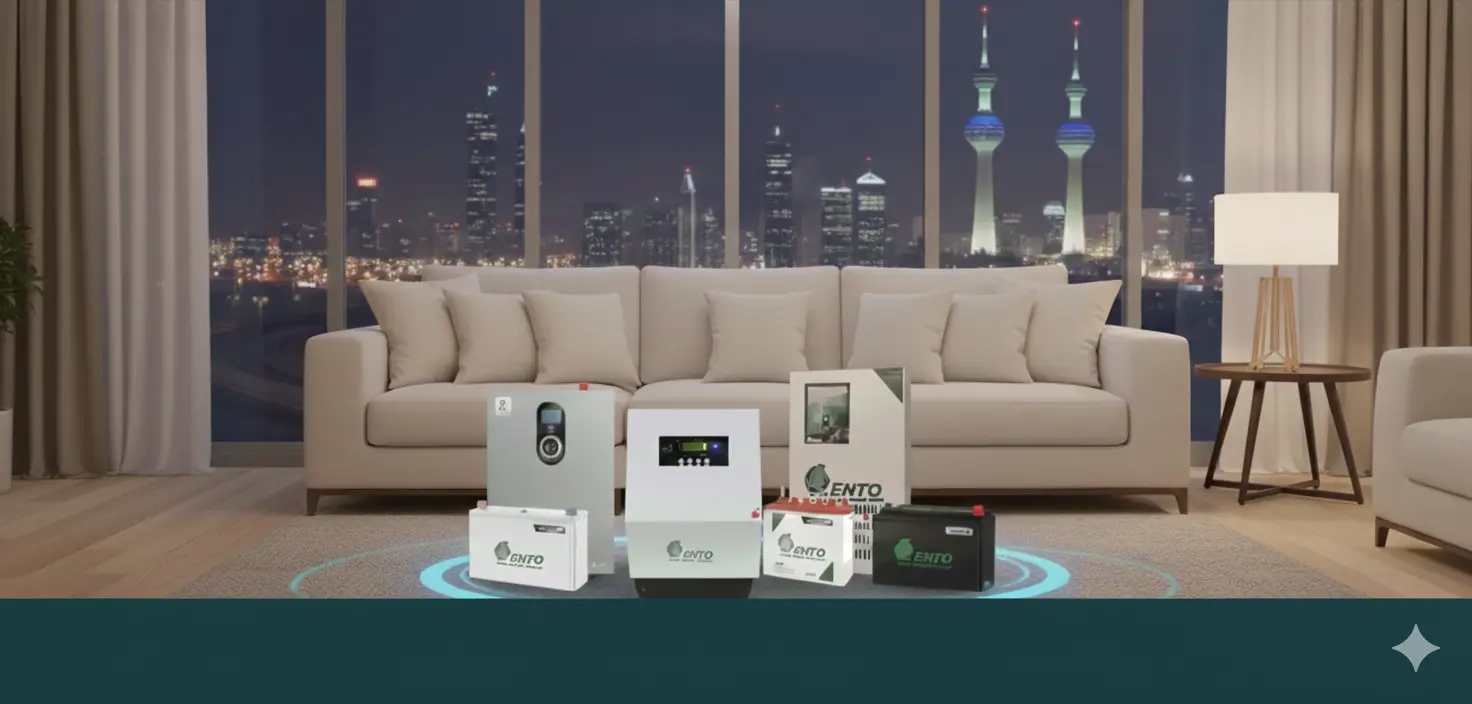
Solar Inverters for Home in Nigeria: Reliable Power Solutions for 2026
02 January 2026
Power reliability is a major concern for homeowners across Nigeria. Frequent electricity outages and fluctuating voltage not only disrupt daily life but also damage sensitive appliances. This is why choosing the right solar inverters for home in Nigeria has become a priority for anyone looking to secure uninterrupted power.
In this guide, I will share insights on the best home solar inverters, factors to consider before buying, and trusted brands that deliver consistent performance. My aim is to help homeowners and business owners make informed decisions while investing in energy solutions that last.
Why Solar Inverters Are Essential for Homes
Solar inverters are the heart of any solar energy system. They convert the direct current (DC) generated by solar panels into alternating current (AC) used by home appliances. From my experience, a reliable solar inverter ensures:
-
Smooth operation of household electronics
-
Protection against voltage fluctuations
-
Energy efficiency and cost savings
-
Integration with batteries for backup power
With Nigeria’s increasing interest in renewable energy, solar inverters have become critical for maintaining a consistent and clean power supply at home.
Types of Solar Inverters for Home Use
Homeowners in Nigeria have several options depending on their energy needs, location, and budget.
On-Grid Solar Inverters
On-grid inverters work alongside the national electricity grid. They allow homeowners to feed excess solar energy back to the grid and reduce electricity bills. This option is ideal for areas with a mostly reliable power supply.
Off-Grid Solar Inverters
Off-grid inverters store solar energy in batteries, providing complete independence from the grid. These are suitable for areas with frequent power cuts or no grid connection, ensuring that homes remain powered at all times.
Hybrid Solar Inverters
Hybrid inverters combine the benefits of both on-grid and off-grid systems. They draw power from solar panels, batteries, and the grid when needed. For homeowners who want flexibility and uninterrupted energy, hybrid inverters are the best choice.
Key Features to Look for in Home Solar Inverters
When selecting solar inverters for home in Nigeria, it is important to consider quality, performance, and safety. From my observations, top features include:
-
Pure sine wave output for safe operation of sensitive appliances
-
High efficiency to maximize energy conversion
-
Battery compatibility for off-grid or hybrid setups
-
Built-in protection against overload, short circuits, and voltage fluctuations
-
Durable construction suitable for Nigeria’s climate
A high-quality inverter not only provides reliable power but also minimizes maintenance costs over time.
Popular Solar Inverter Brands in Nigeria
Several brands have earned a reputation for providing reliable home inverters. Based on my professional experience, notable brands include:
Lento
Lento delivers advanced inverters suitable for residential solar installations. Lento inverters are designed for durability, high efficiency, and solar integration, making them ideal for Nigerian homes. Their products provide reliable backup during outages while supporting renewable energy adoption.
Microtek
Microtek is a popular choice among homeowners in Nigeria. Known for pure sine wave inverters and efficient battery charging, Microtek inverters offer consistent performance for small to medium-sized homes.
Luminous
Luminous provides reliable solar inverters with advanced features for home use. Their products combine efficiency, safety, and scalability, allowing homeowners to expand their solar system as energy needs grow.
Su-Kam
Su-Kam inverters are recognized for solar-ready solutions. They support hybrid systems and offer stable output for sensitive appliances, making them a strong choice for Nigerian households that want a combination of reliability and energy efficiency.
Choosing the Right Capacity for Your Home
Selecting the correct inverter capacity is critical for optimal performance. In my experience, homeowners should consider:
-
Total daily energy consumption
-
Number of appliances to run simultaneously
-
Peak load requirements
-
Future expansion plans
Common residential capacities range from 1kVA to 5kVA, with higher capacities suitable for larger homes or households with heavy electrical appliances.
Installation and Maintenance Considerations
A solar inverter’s performance depends heavily on proper installation. Choosing an experienced installer ensures safety, efficiency, and long-term reliability.
Maintenance for modern solar inverters is minimal, but periodic checks on wiring, battery connections, and inverter health are recommended. Brands like Lento, Microtek, and Su-Kam provide installation guidelines and after-sales support to help homeowners maintain optimal performance.
Benefits of Using Solar Inverters for Home
Investing in quality solar inverters for home in Nigeria offers multiple advantages:
-
Reliable power supply even during grid outages
-
Reduced electricity bills through solar energy utilization
-
Protection for sensitive appliances from voltage fluctuations
-
Environmental benefits by reducing reliance on fossil fuels
-
Scalability for future solar expansion
These benefits make solar inverters a smart choice for Nigerian homeowners in 2026.
Trends Shaping Home Solar Inverter Adoption
Several trends are driving the adoption of solar inverters in Nigeria:
-
Increasing awareness of renewable energy solutions
-
Frequent grid outages and load shedding
-
Rising electricity costs pushing homeowners toward alternative energy
-
Availability of hybrid and solar-ready inverters
These trends indicate that homeowners are seeking reliable, energy-efficient solutions that provide both convenience and long-term savings.
Lento India – Global B2B Solar Exporter
Lento India proudly exports solar and power solutions to 24 countries including Mexico, Chile, Peru, Ecuador, Dominican Republic, Afghanistan, Nigeria, Iraq, Uganda, Yemen, Syria, Iran, Oman, Morocco, Egypt, and Kuwait.
We supply solar panels, tubular batteries, SMF batteries, inverters, and Online UPS systems to global distributors, OEMs, and large-scale installers.
Lento India – Powering industries, homes, and communities across continents with trust and technology.
Frequently Asked Questions
1. What are the best solar inverters for home in Nigeria?
Brands like Lento, Microtek, Luminous, and Su-Kam are widely recognized for reliability and efficiency.
2. What type of inverter should a Nigerian home use?
On-grid inverters suit areas with stable electricity, off-grid inverters are ideal for unreliable grids, and hybrid inverters provide flexibility.
3. How do I choose the right capacity for my home inverter?
Consider daily energy use, peak load, number of appliances, and potential future expansion.
4. Can home solar inverters integrate with solar panels?
Yes, modern inverters are solar-ready and compatible with battery-based hybrid systems.
5. How long do quality solar inverters last?
With proper installation and maintenance, they typically last 8–12 years or more.
Conclusion
Choosing the right solar inverters for home in Nigeria is essential for uninterrupted power, energy efficiency, and appliance protection. High-quality brands like Lento, Microtek, Luminous, and Su-Kam provide reliable solutions that meet the energy needs of modern households.
Investing in a dependable solar inverter today ensures consistent power supply, reduced electricity costs, and long-term benefits for Nigerian homeowners.
👉 Become our distributor in your state.