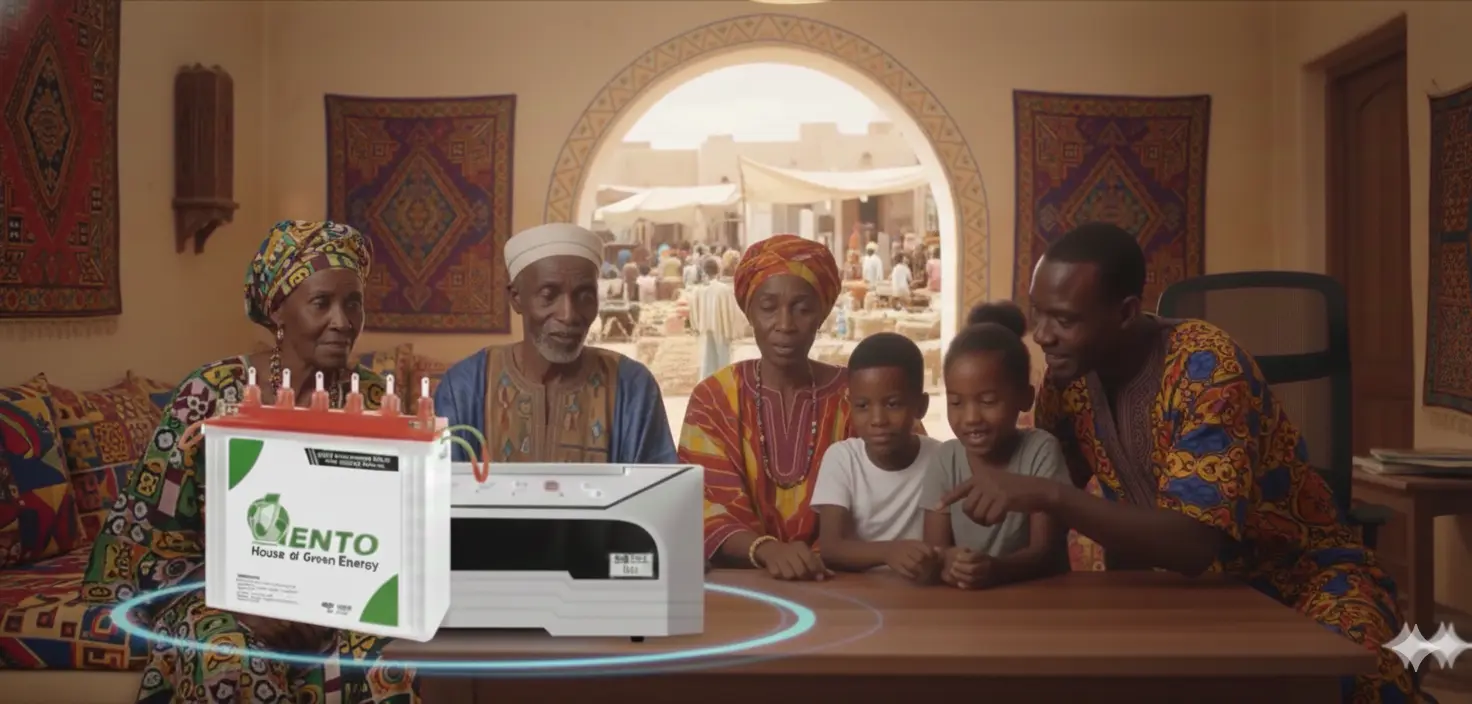
Best Inverter with Battery for Home in Mali 2026 – A Reliable Power Guide
30 December 2025
In Mali, reliable electricity at home is no longer something people take for granted. Power cuts, unstable grids, and rising energy needs have made backup power solutions essential for daily life. In 2026, more homeowners are actively searching for the best inverter with battery for home use in Mali, not just for emergencies, but for everyday comfort and stability.
I’ve worked closely with homeowners, solar installers, and distributors across African markets, and I’ve seen how the right inverter and battery combination can completely change household energy reliability. In this guide, I’ll explain what really matters when choosing an inverter with battery for home use in Mali, using simple language and practical insights.
Why Homes in Mali Need Inverter and Battery Systems
Mali’s power infrastructure continues to face challenges, especially in residential areas. Many homes experience frequent outages, voltage fluctuations, or limited grid access. As a result, inverter and battery systems have become a dependable solution for uninterrupted power.
From my experience, families invest in these systems not only to keep lights on, but also to support fans, televisions, refrigerators, internet devices, and phone charging. In 2026, inverter and battery systems are no longer luxury products in Mali; they are essential household equipment.
What Makes the Best Inverter with Battery for Home Use
When homeowners ask me what makes the best inverter with battery, I always say it comes down to balance. The system should provide enough power, reliable backup time, safety, and long-term durability.
A good home inverter with battery should deliver stable output, smooth changeover during power cuts, and efficient battery charging. The battery should store enough energy to meet household needs and last for years without frequent replacement.
Understanding Home Power Needs in Mali
Before selecting an inverter and battery, it’s important to understand household energy usage. Most homes in Mali want backup for basic appliances such as lights, fans, televisions, routers, and sometimes refrigerators.
Smaller homes usually need lower-capacity systems, while larger homes or families using more appliances require higher capacity. In my experience, homes that correctly assess their power needs avoid overload issues and enjoy better system performance.
Types of Inverters Suitable for Homes in Mali
Pure Sine Wave Inverters
Pure sine wave inverters are the most suitable option for home use. They produce clean and stable electricity, which protects sensitive appliances and improves overall performance.
Most modern homes in Mali prefer pure sine wave inverters because they work smoothly with TVs, computers, and refrigerators without noise or damage.
Solar Hybrid Inverters
Solar hybrid inverters are becoming increasingly popular in Mali. These inverters can work with grid power, batteries, and solar panels together.
Homeowners like hybrid inverters because they allow gradual transition to solar energy. Even if solar panels are added later, the inverter remains compatible.
Choosing the Right Battery for Home Inverter Systems
Lead-Acid Batteries
Lead-acid batteries are commonly used due to their lower initial cost. They are suitable for homes that need short backup durations and basic power support.
However, they require regular maintenance and careful usage. Over time, their lifespan is shorter compared to newer battery technologies.
Lithium Batteries
Lithium batteries are becoming the preferred choice in 2026. They offer longer lifespan, higher efficiency, faster charging, and deeper discharge capability.
For homes in Mali planning long-term use and future solar integration, lithium batteries provide better value despite higher upfront cost.
Inverter and Battery Capacity Selection
Choosing the correct inverter and battery capacity ensures smooth operation. An undersized system may overload, while an oversized system increases unnecessary cost.
For basic household needs, smaller inverter and battery setups work well. Homes running refrigerators, water pumps, or home offices require medium to higher capacity systems.
I always recommend planning for future needs to avoid system upgrades later.
Why Solar-Ready Systems Are Ideal for Mali
Mali receives strong sunlight throughout the year, making solar energy a natural choice. Inverter systems that support solar integration help reduce fuel and grid dependency.
A solar-ready inverter with battery allows homeowners to store solar energy during the day and use it at night. This improves energy independence and lowers long-term electricity expenses.
Real Performance in Mali’s Climate
Mali’s climate is hot and dry, which can affect electrical equipment if not properly designed. Good inverter and battery systems are built to handle high temperatures and dusty conditions.
Proper installation, ventilation, and system configuration significantly improve lifespan. I’ve seen systems perform reliably for years when installed correctly, even in challenging environments.
Why Brand Reliability Matters
Inverter and battery systems are long-term investments. Choosing a reliable brand ensures stable performance, safety, and dependable after-sales support.
Lento has built a reputation for offering durable inverters and batteries designed for real-world conditions. Homeowners and distributors trust consistent quality and performance, especially in regions where reliability matters most.
Cost vs Long-Term Value
Many buyers focus only on upfront cost, but that approach often leads to disappointment. A cheaper system may require frequent battery replacement or maintenance.
In 2026, smart buyers in Mali consider total ownership cost. Systems with better efficiency and longer lifespan provide greater value over time, even if initial cost is higher.
Benefits for Business Owners and Distributors
For business owners, inverter and battery systems are high-demand products. Homeowners actively seek reliable power solutions, making this a growing market.
Distributors benefit from offering systems that are easy to install, durable, and supported by reliable manufacturers. Trusted products lead to repeat customers and long-term growth.
Future Outlook for Home Power Solutions in Mali
The demand for inverter and battery systems in Mali is expected to continue growing beyond 2026. Improved technology, better battery performance, and increased solar adoption will shape the market.
Homes will increasingly move toward hybrid systems that combine grid, solar, and battery power for maximum reliability.
Lento India – Global B2B Solar Exporter
Lento India proudly exports solar and power solutions to 24 countries including Mexico, Chile, Peru, Ecuador, Dominican Republic, Afghanistan, Nigeria, Iraq, Uganda, Yemen, Syria, Iran, Oman, Morocco, Egypt, and Kuwait.
We supply solar panels, tubular batteries, SMF batteries, inverters, and Online UPS systems to global distributors, OEMs, and large-scale installers.
Lento India – Powering industries, homes, and communities across continents with trust and technology.
Conclusion
Choosing the best inverter with battery for home in Mali in 2026 is about reliability, performance, and future readiness. The right system ensures uninterrupted power, protects household appliances, and improves quality of life.
By selecting a trusted brand like Lento and focusing on correct capacity and battery type, homeowners and businesses can enjoy dependable energy solutions for years to come.
👉 Become our distributor in your state.
FAQs
1. What is the best inverter with battery for home in Mali 2026?
The best system depends on home load, but pure sine wave inverters with lithium batteries are highly preferred.
2. Are inverter and battery systems suitable for daily home use?
Yes, they are designed to support daily household appliances during power outages.
3. Can I add solar panels to my inverter system later?
Yes, solar-compatible or hybrid inverters allow easy future solar integration.
4. Which battery type lasts longer for home use?
Lithium batteries last longer and require less maintenance than lead-acid batteries.
5. Is inverter installation safe inside homes?
Yes, when installed properly with ventilation and safety guidelines.
6. Why choose Lento inverter and battery systems?
Lento offers reliable performance, durable design, and solutions suitable for Mali’s power conditions.