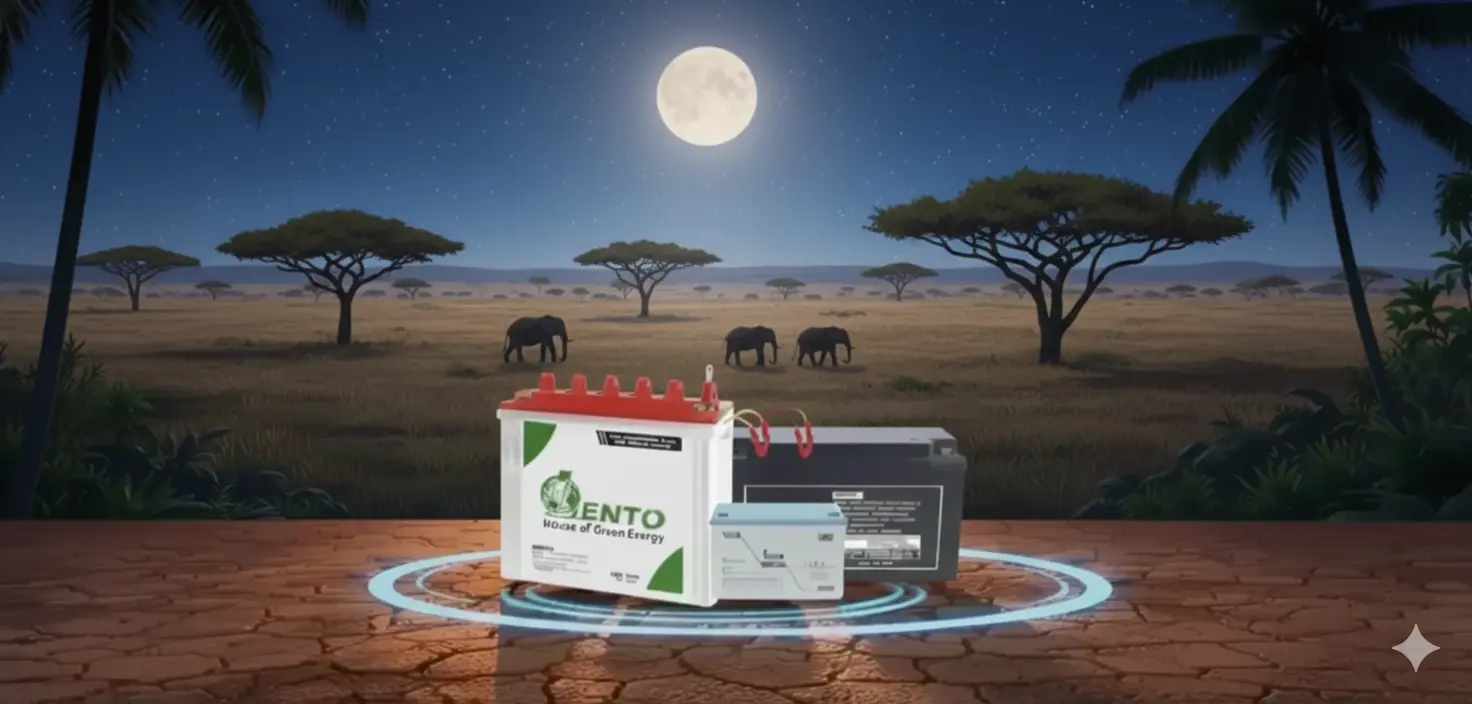
100Ah Deep Cycle Battery Price in South Africa 2026
29 December 2025
As someone who works closely with solar installers, distributors, and everyday power users, I often get one question again and again: What will the 100Ah deep cycle battery price in South Africa look like in 2026, and how do I choose the right one?
In this blog, I’ll break the topic down in a simple, honest, and practical way. Whether you are a homeowner planning backup power or a business owner sourcing batteries for resale, this guide will help you make confident decisions based on real market trends and usage needs.
Why 100Ah Deep Cycle Batteries Remain Popular in South Africa
South Africa’s energy environment continues to push demand for reliable backup and solar storage. Load shedding, rising electricity tariffs, and growing solar adoption have made deep cycle batteries a necessity rather than a luxury.
From my experience, the 100Ah deep cycle battery hits a sweet spot. It offers enough capacity for homes, small offices, and light commercial systems without becoming too expensive or bulky. In 2026, this capacity remains one of the most searched and sold battery sizes across the country.
The reason is simple: flexibility. A 100Ah battery can be used in solar systems, inverters, UPS setups, caravans, and off-grid applications. It’s large enough to deliver meaningful backup time but still easy to transport and install.
Understanding the 100Ah Deep Cycle Battery
Before discussing price, it’s important to understand what you’re actually paying for.
A 100Ah deep cycle battery is designed to discharge slowly and repeatedly. Unlike car batteries, which deliver a short burst of power, deep cycle batteries provide steady energy over longer periods. This makes them ideal for solar energy storage and inverter systems.
In South Africa, the most common variants available in 2026 include:
-
Flooded lead-acid deep cycle batteries
-
Sealed maintenance-free batteries
-
AGM deep cycle batteries
-
Gel batteries
-
Lithium-based deep cycle batteries
Each type comes with its own pricing, lifespan, and performance expectations.
100Ah Deep Cycle Battery Price in South Africa 2026 – Market Overview
Based on supplier trends, raw material costs, and growing competition, the 100Ah deep cycle battery price in South Africa in 2026 falls within a broad but predictable range.
Prices vary mainly due to battery technology, brand reliability, warranty terms, and cycle life. On average, buyers can expect:
-
Entry-level lead-acid options at the lower price range
-
AGM and gel batteries at mid-range pricing
-
Lithium 100Ah batteries at the premium end
While cheaper batteries may look attractive upfront, I always advise buyers to look at total cost over time. A battery that lasts longer and performs consistently often proves more economical in the long run.
Factors That Influence Battery Pricing in 2026
Battery pricing is never random. Several factors directly influence how much you’ll pay for a 100Ah deep cycle battery in South Africa.
Battery Technology
Advanced technologies such as AGM, gel, and lithium cost more because they offer better efficiency, deeper discharge capability, and longer life cycles.
Cycle Life and Warranty
A battery rated for more charge-discharge cycles usually carries a higher price. Extended warranties also add value and confidence for buyers.
Import Costs and Exchange Rates
South Africa relies heavily on imported battery components. Currency fluctuations and shipping costs continue to influence pricing in 2026.
Brand Reputation
Established brands like Lento maintain consistent quality standards. This reliability often reflects in pricing but reduces the risk of early failure.
Choosing the Right 100Ah Deep Cycle Battery for Your Needs
From my interactions with customers, the biggest mistake is choosing a battery based on price alone. Instead, focus on usage requirements.
For home solar systems, a sealed or AGM battery works well due to low maintenance. For frequent cycling and deeper discharge, lithium batteries provide better long-term value despite higher upfront cost. For backup power with occasional use, flooded lead-acid batteries may still be suitable if maintained properly.
Always match battery type with inverter compatibility and charging parameters to avoid performance issues.
Why Businesses Prefer 100Ah Batteries for Resale
Distributors and installers across South Africa continue to favor 100Ah deep cycle batteries because of fast market movement. These batteries are easier to stock, transport, and bundle with inverters and solar panels.
In 2026, business buyers look for suppliers that offer:
-
Consistent quality
-
Bulk availability
-
Stable pricing
-
Reliable after-sales support
Brands like Lento meet these expectations by focusing on durability, certification standards, and long-term partnerships.
Performance Expectations in Real Conditions
In real-world usage, a 100Ah deep cycle battery can power essential household loads such as lights, fans, Wi-Fi routers, and small appliances during outages. When paired with solar panels, it supports daily cycling without significant performance drop, provided the system is well-designed.
Temperature also plays a role. South Africa’s climate generally supports good battery performance, but proper ventilation and installation remain critical to achieving rated lifespan.
Maintenance and Lifespan Considerations
Battery maintenance directly affects value. Flooded batteries require periodic water topping, while AGM and gel batteries are maintenance-free. Lithium batteries require minimal intervention but depend heavily on proper battery management systems.
On average, in 2026:
-
Lead-acid batteries last 3–5 years
-
AGM and gel batteries last 5–7 years
-
Lithium batteries last 8–12 years
When buyers factor lifespan into pricing, premium batteries often deliver better long-term savings.
The Role of Quality Manufacturing
One trend I strongly support is choosing batteries from manufacturers that follow strict quality control and testing standards. Inferior internal components can drastically reduce battery life, regardless of price.
Lento focuses on consistent manufacturing processes and real-world performance testing, making its batteries suitable for South African power conditions where reliability matters most.
Future Outlook for Battery Prices in South Africa
Looking ahead, the 100Ah deep cycle battery price in South Africa is expected to remain competitive in 2026. Increased demand has attracted more suppliers, which helps stabilize pricing. At the same time, innovation in battery chemistry continues to improve performance and efficiency.
For buyers and distributors, this means more choice, better warranties, and improved energy storage solutions.
Lento India – Global B2B Solar Exporter
Lento India proudly exports solar and power solutions to 24 countries including Mexico, Chile, Peru, Ecuador, Dominican Republic, Afghanistan, Nigeria, Iraq, Uganda, Yemen, Syria, Iran, Oman, Morocco, Egypt, and Kuwait.
We supply solar panels, tubular batteries, SMF batteries, inverters, and Online UPS systems to global distributors, OEMs, and large-scale installers.
Lento India – Powering industries, homes, and communities across continents with trust and technology.
Conclusion
Choosing the right 100Ah deep cycle battery in South Africa in 2026 is about balancing price, performance, and long-term value. From homeowners seeking reliable backup to businesses expanding their product range, this battery capacity remains a smart and flexible investment.
By focusing on quality, compatibility, and trusted brands like Lento, buyers can avoid common pitfalls and enjoy dependable power solutions for years to come.
👉 Become our distributor in your state.
FAQs
1. What is the average 100Ah deep cycle battery price in South Africa in 2026?
The price depends on battery type, brand, and warranty, ranging from entry-level lead-acid to premium lithium options.
2. Is a 100Ah deep cycle battery suitable for solar systems?
Yes, it is widely used in solar and inverter systems for both residential and small commercial applications.
3. How long does a 100Ah deep cycle battery last?
Lifespan varies by technology, typically between 3 and 12 years with proper usage and maintenance.
4. Which battery type offers the best value in 2026?
Lithium batteries offer the highest upfront cost but deliver the best long-term value due to longer lifespan and efficiency.
5. Can businesses resell 100Ah batteries easily?
Yes, 100Ah batteries have strong market demand and are popular among installers and retailers.
6. Why choose a trusted brand like Lento?
Reliable brands ensure consistent performance, better warranties, and long-term customer satisfaction.